Teaching
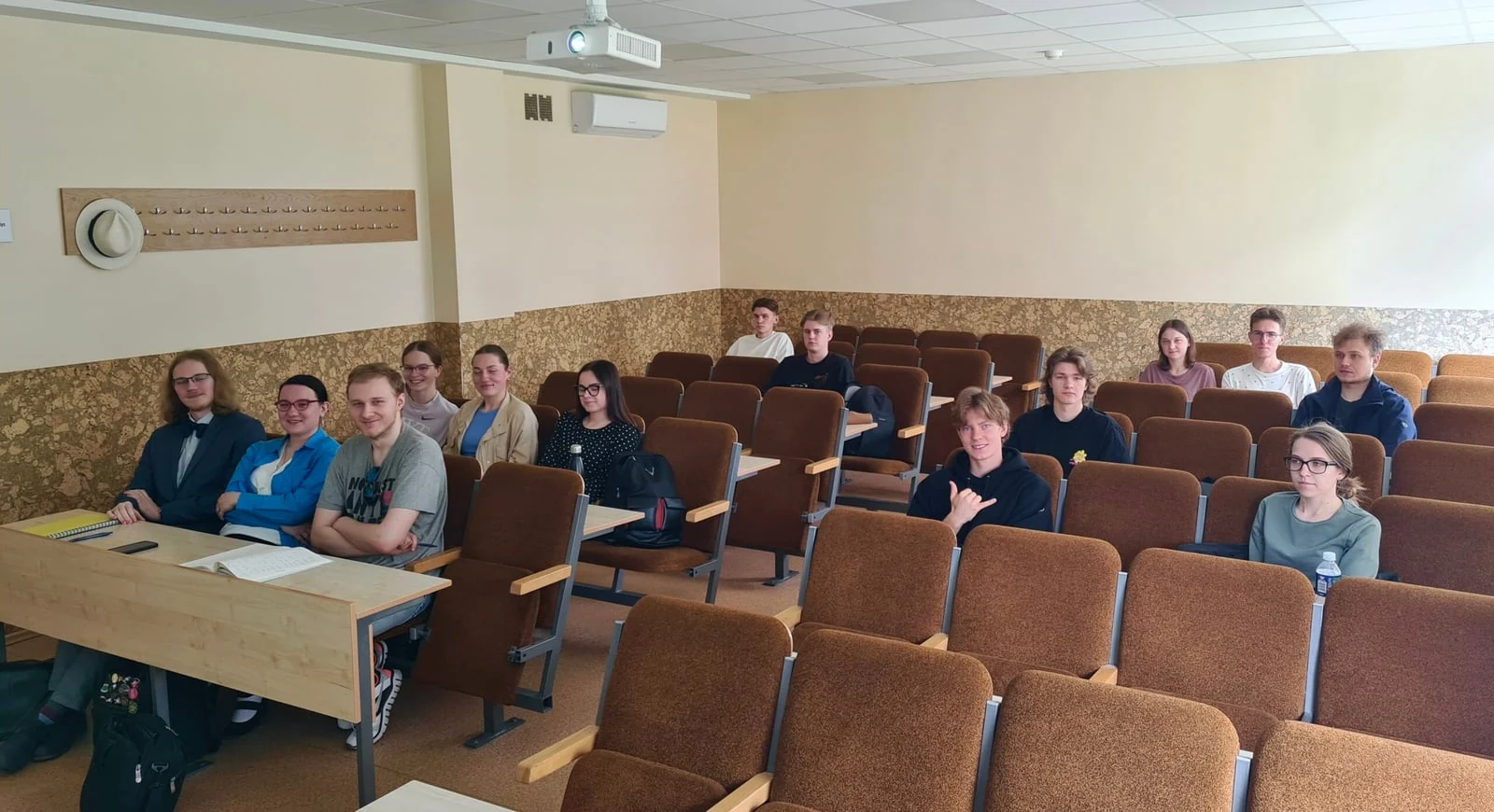
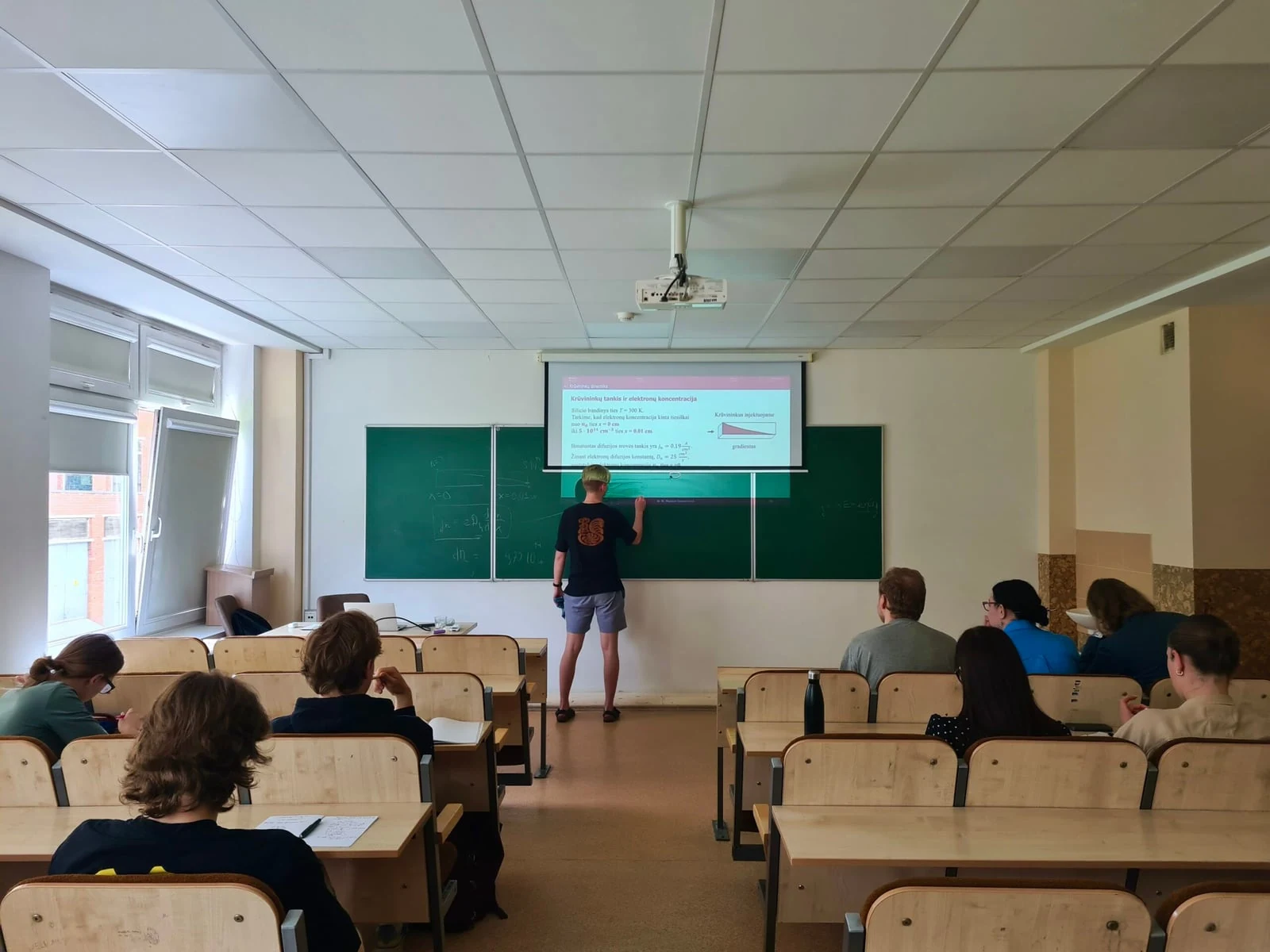
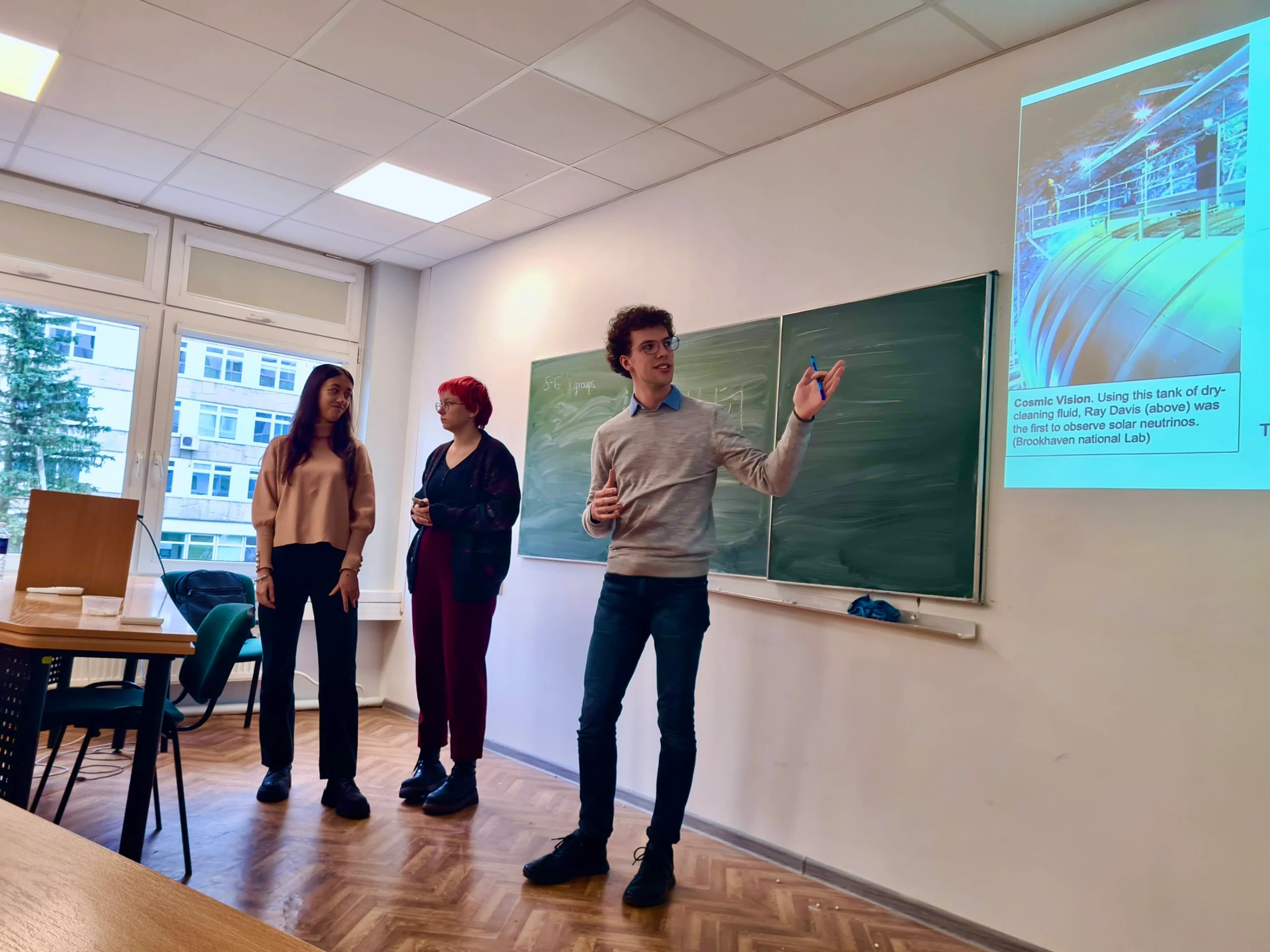
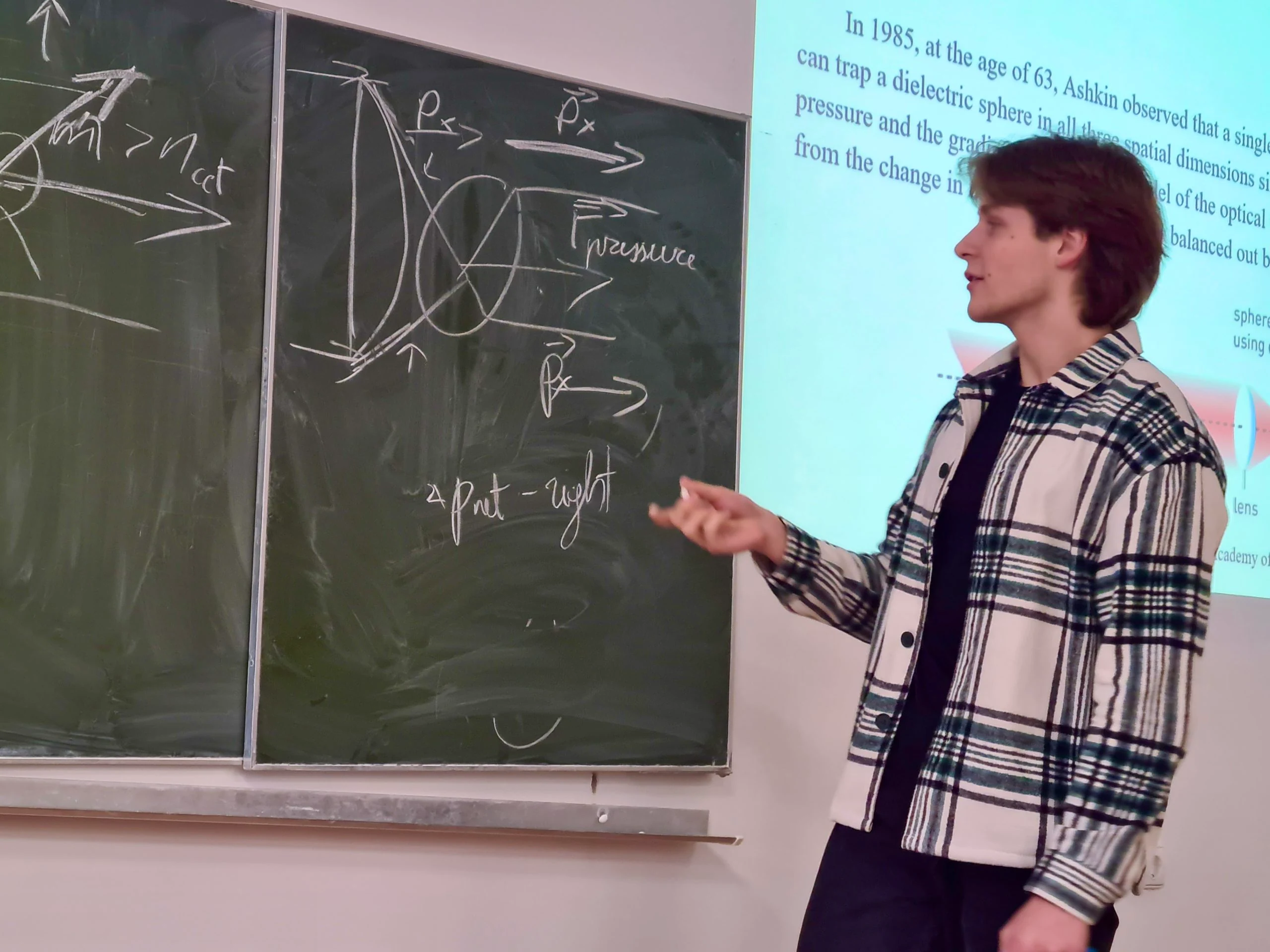
In my courses “Solid State Physics Practicals” and “Study Skills”, I give students the chance to grow as future researchers through a course-long collaborative project aimed at developing scientific skills – writing abstracts, giving oral and poster presentations – and the foundations of solid state physics. Throughout the course, students – some with “limited physics experience” – gain confidence.
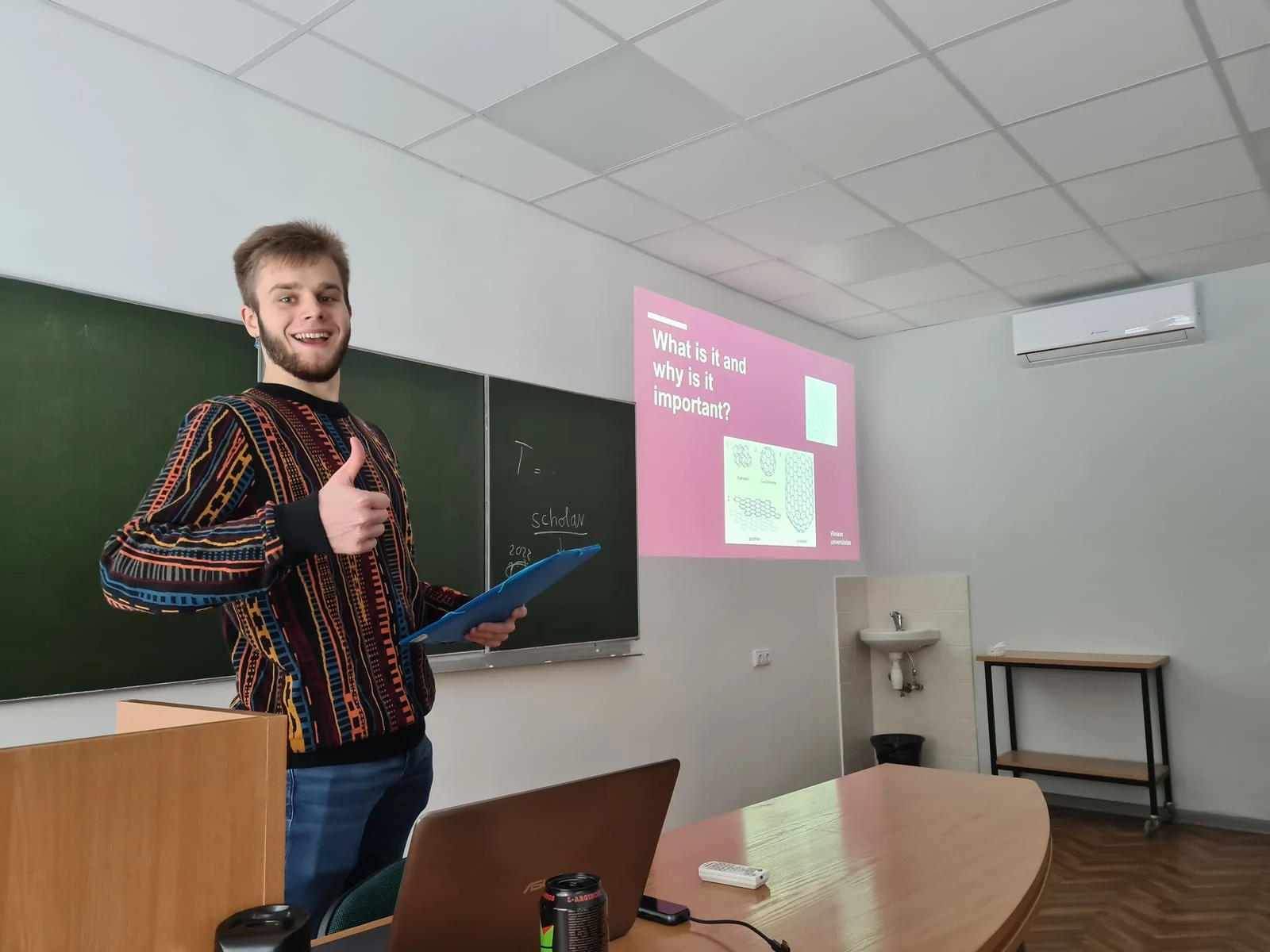
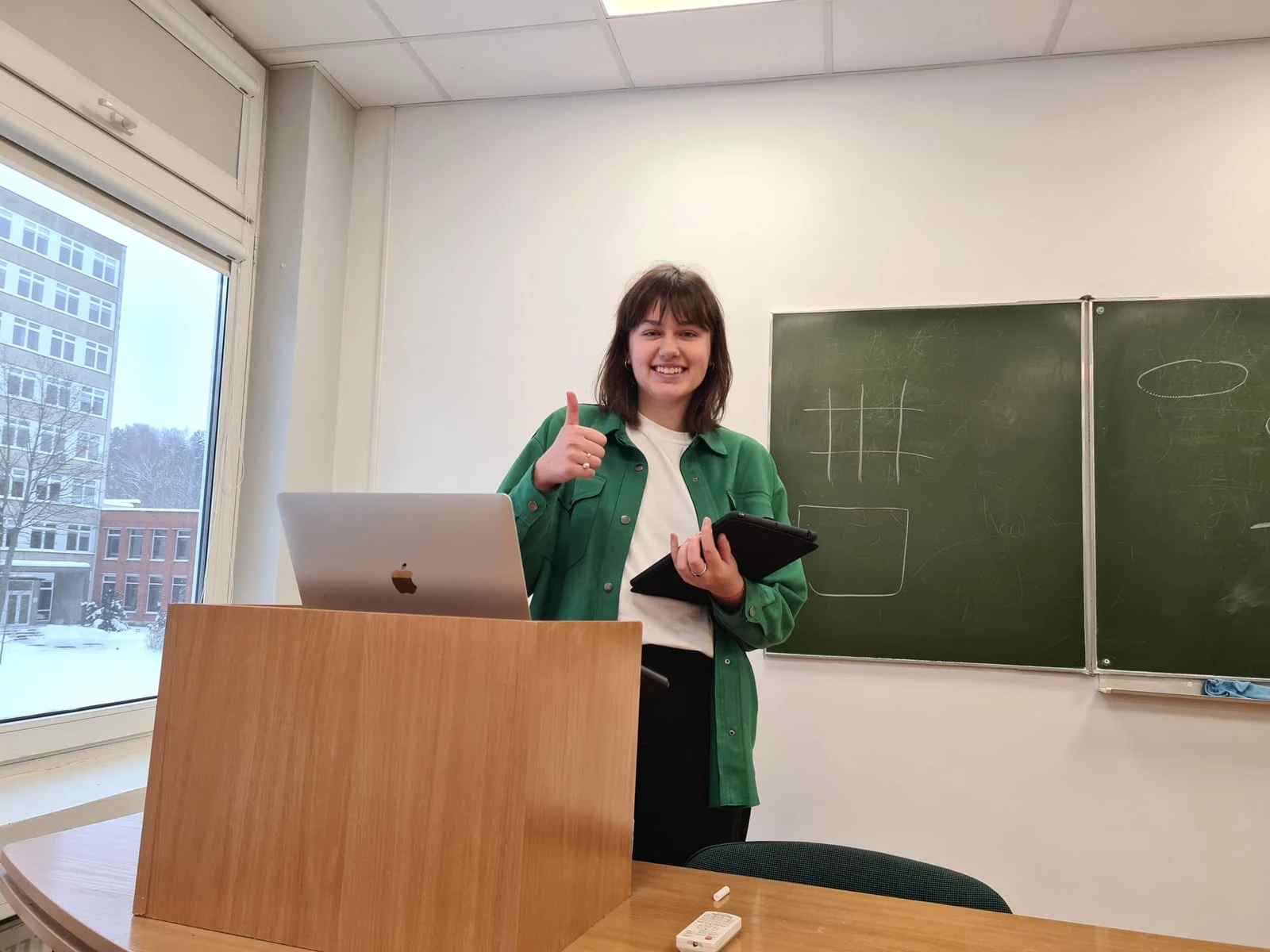
The Study Skills course ends with an individual presentation at the students’ first scientific conference, to which researchers from the VU Faculty of Physics and FTMC are invited.
In Solid State Physics, students learn the key ideas and concepts: from interatomic bonding in crystals, X-ray diffraction and thermal phenomena to the electronic band model, quantum structures, magnetic properties and superconductivity.
Courses
- Solid State Physics Practicals
- Study Skills for Young Researchers
Teaching Elements
Pulse checks
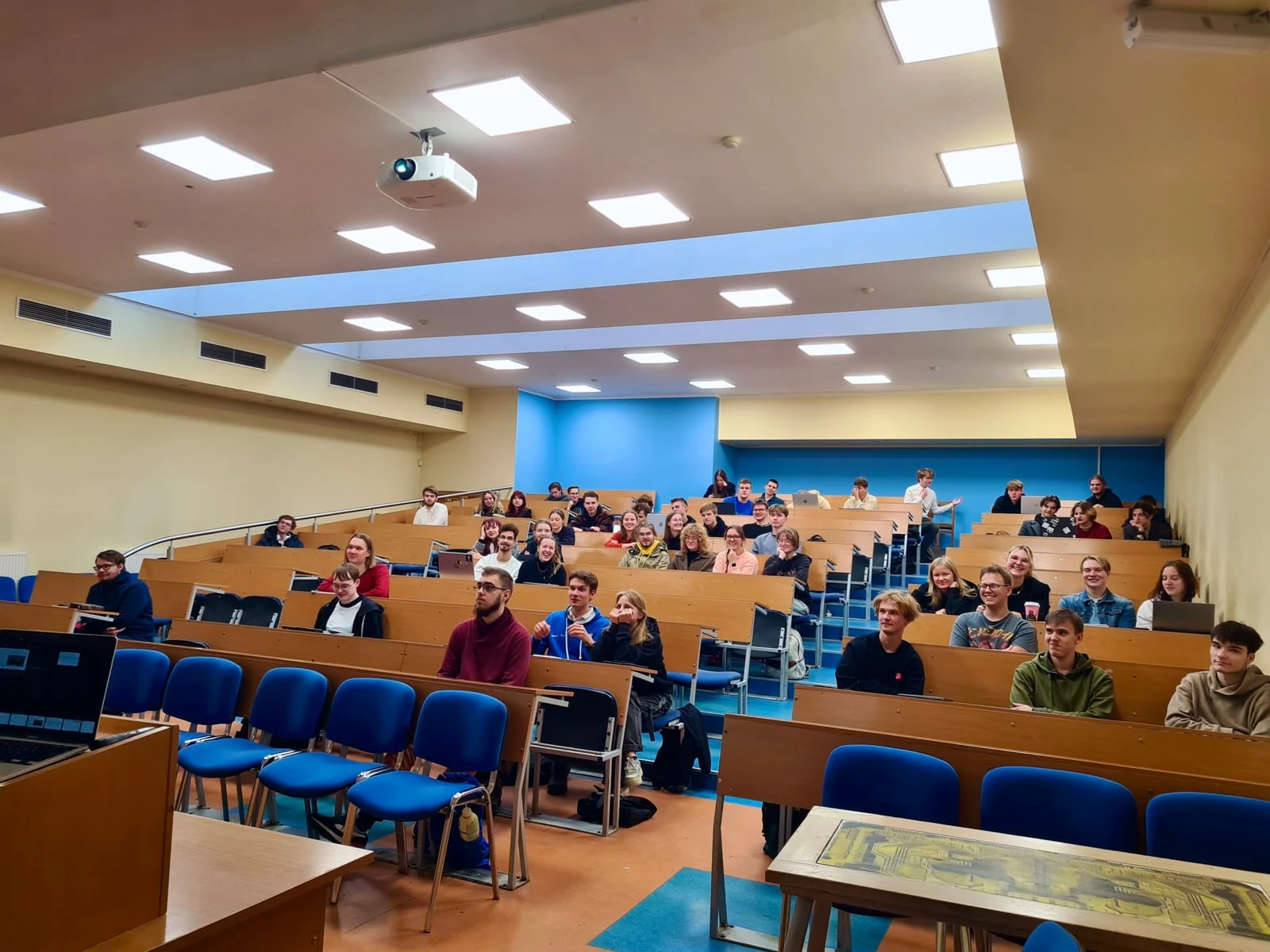
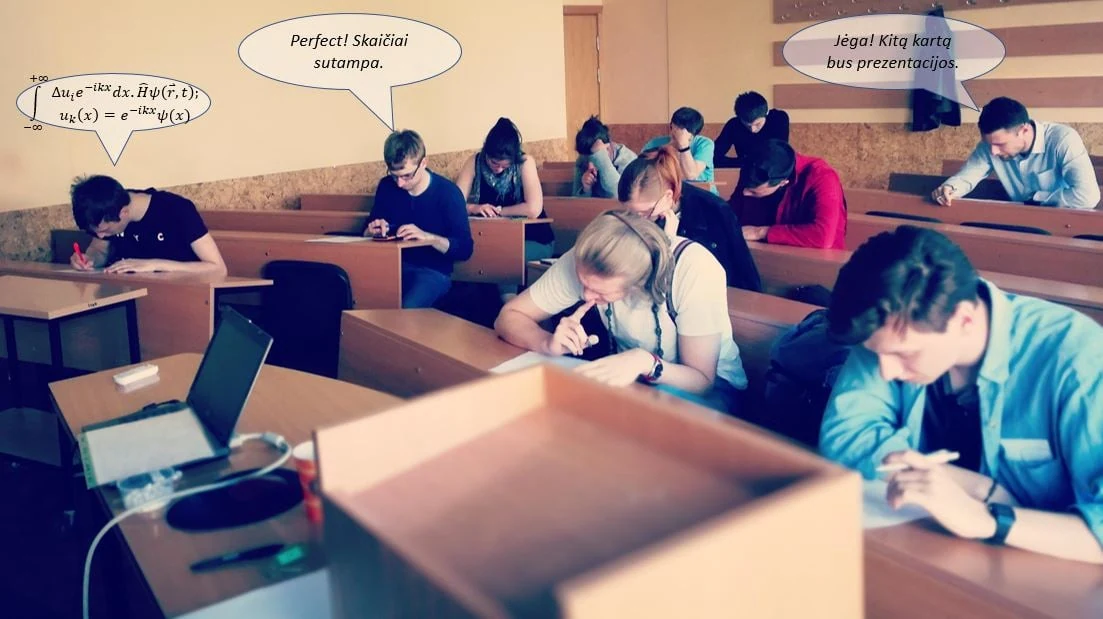
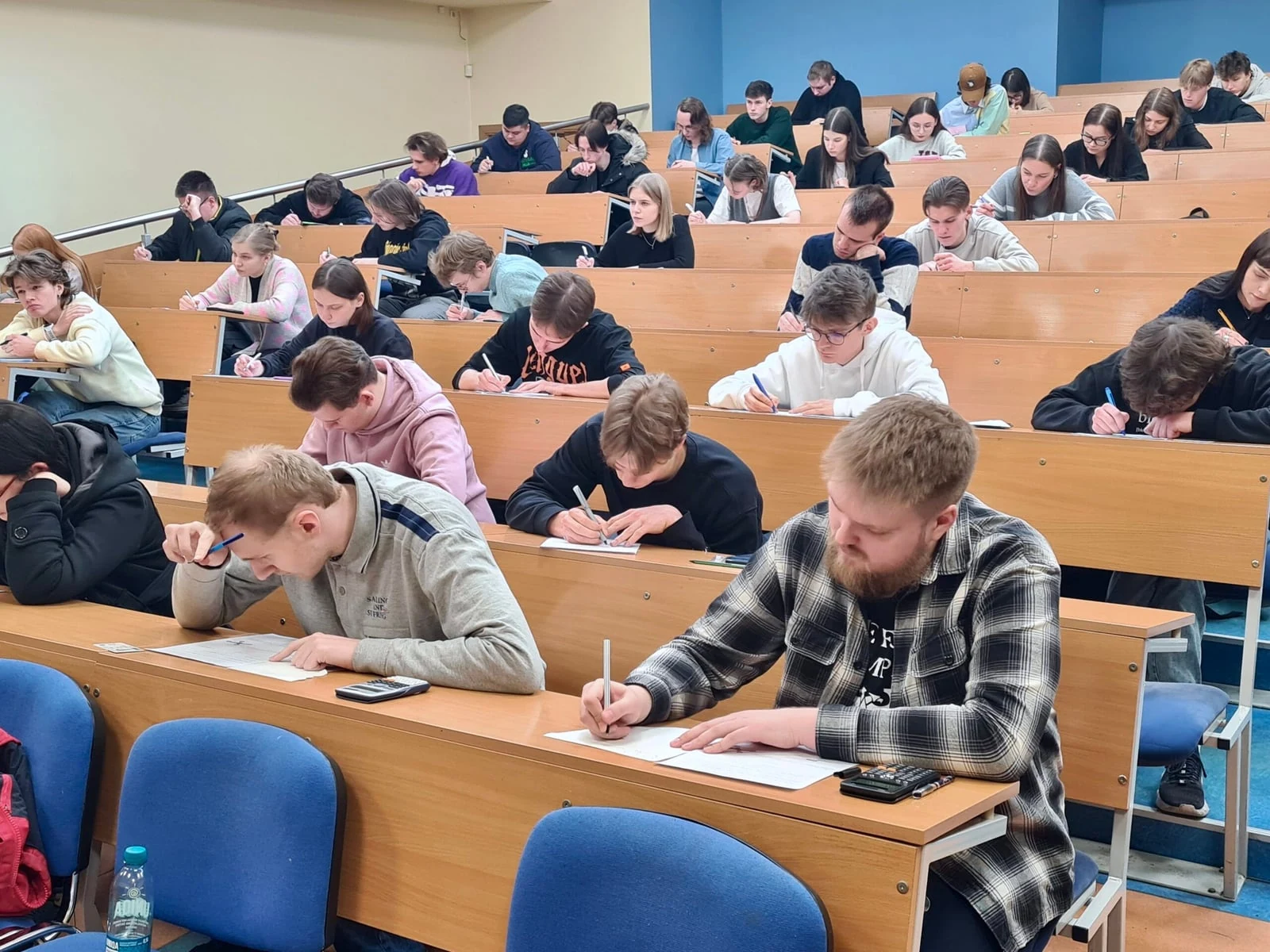
Surprise tests and quizzes during the semester help keep motivation up: I ask 3–4 questions that are not graded. Students get used to the questions, cope with stress more easily, fear assessments less, and learn to answer and look for solutions.
The answers are collected on slides, the most creative solutions are shown and the questions are discussed. After each quiz the room comes alive – students keep discussing the questions even as they leave.
A scientific conference for first-year physics students
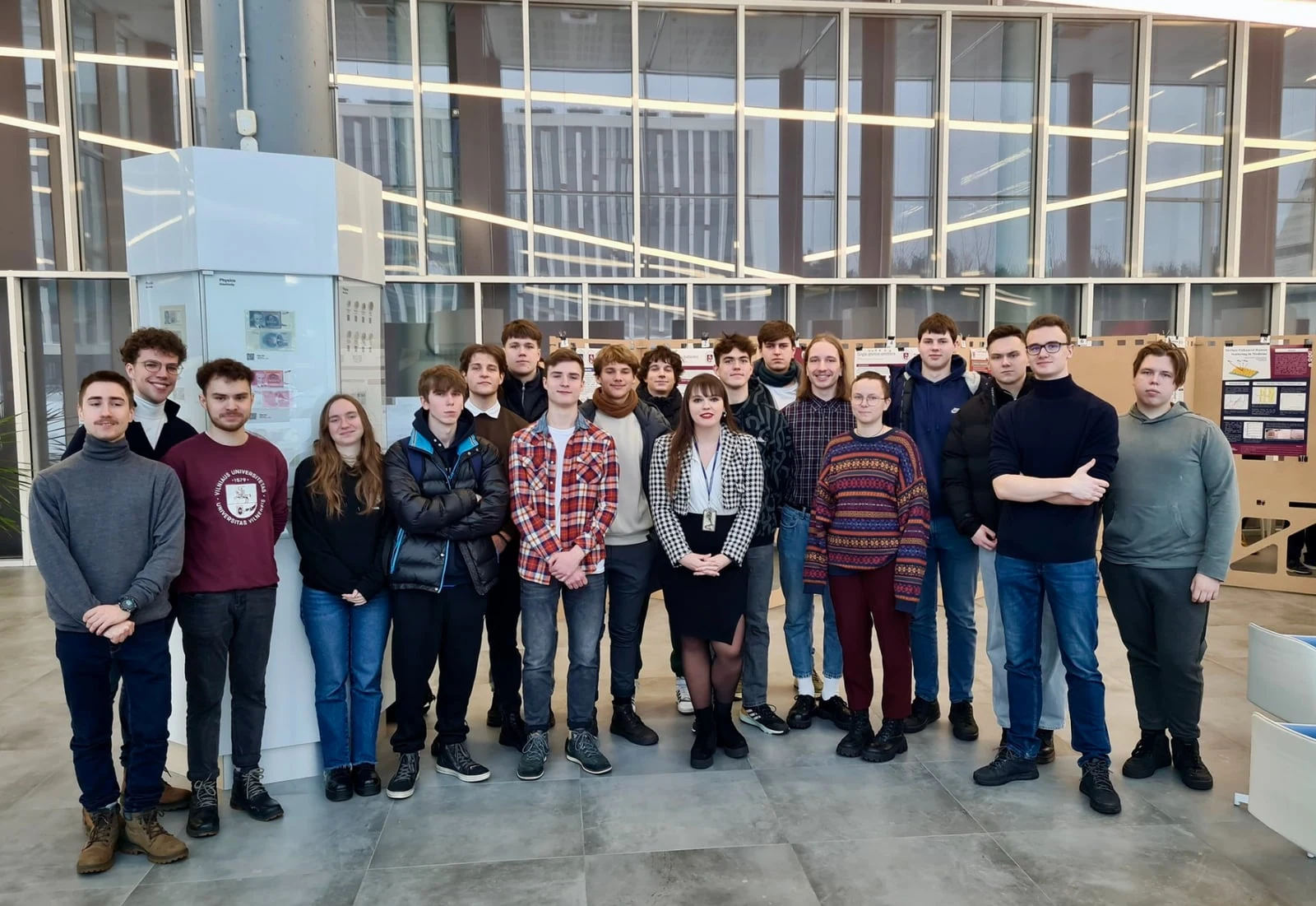
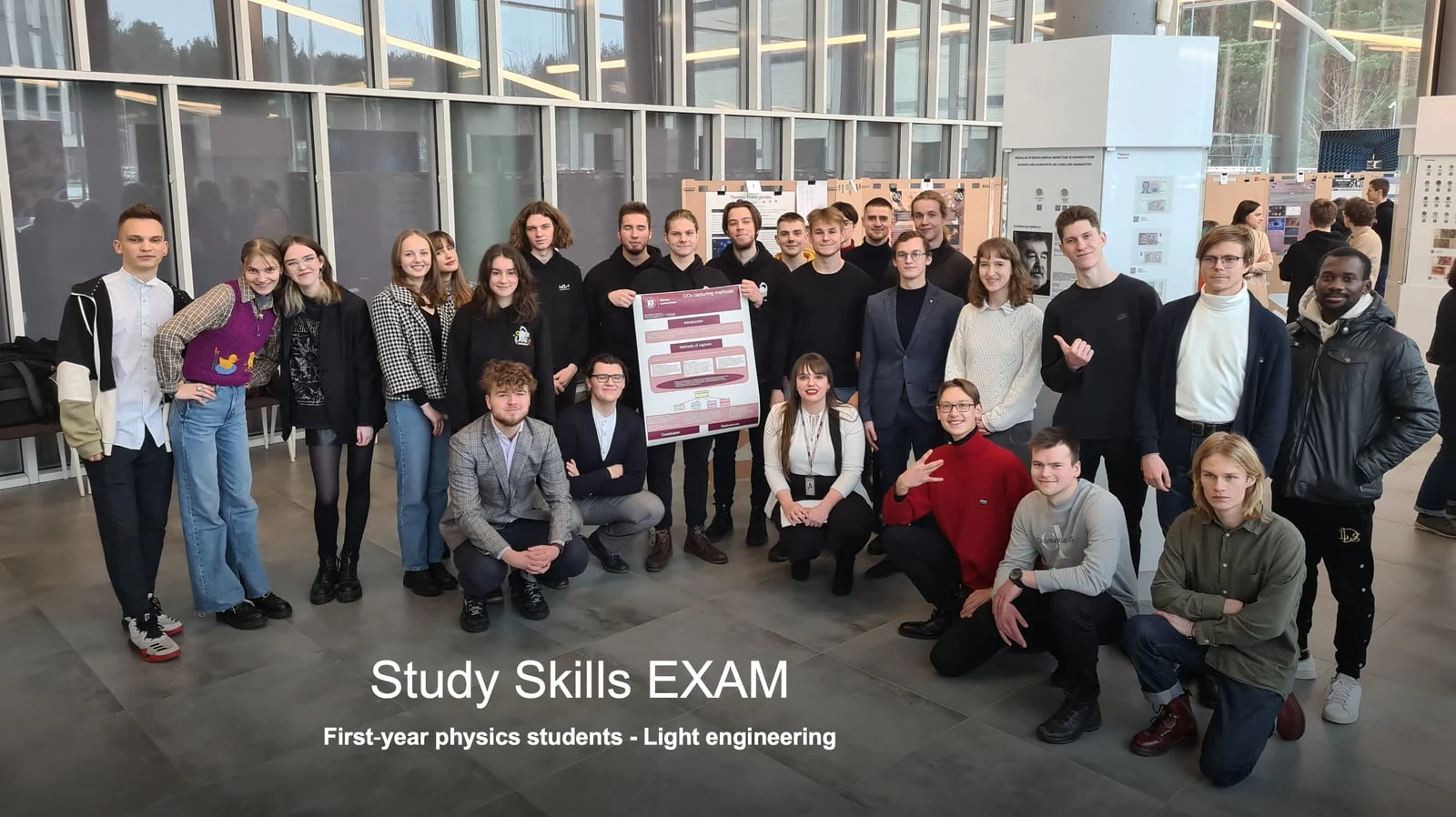
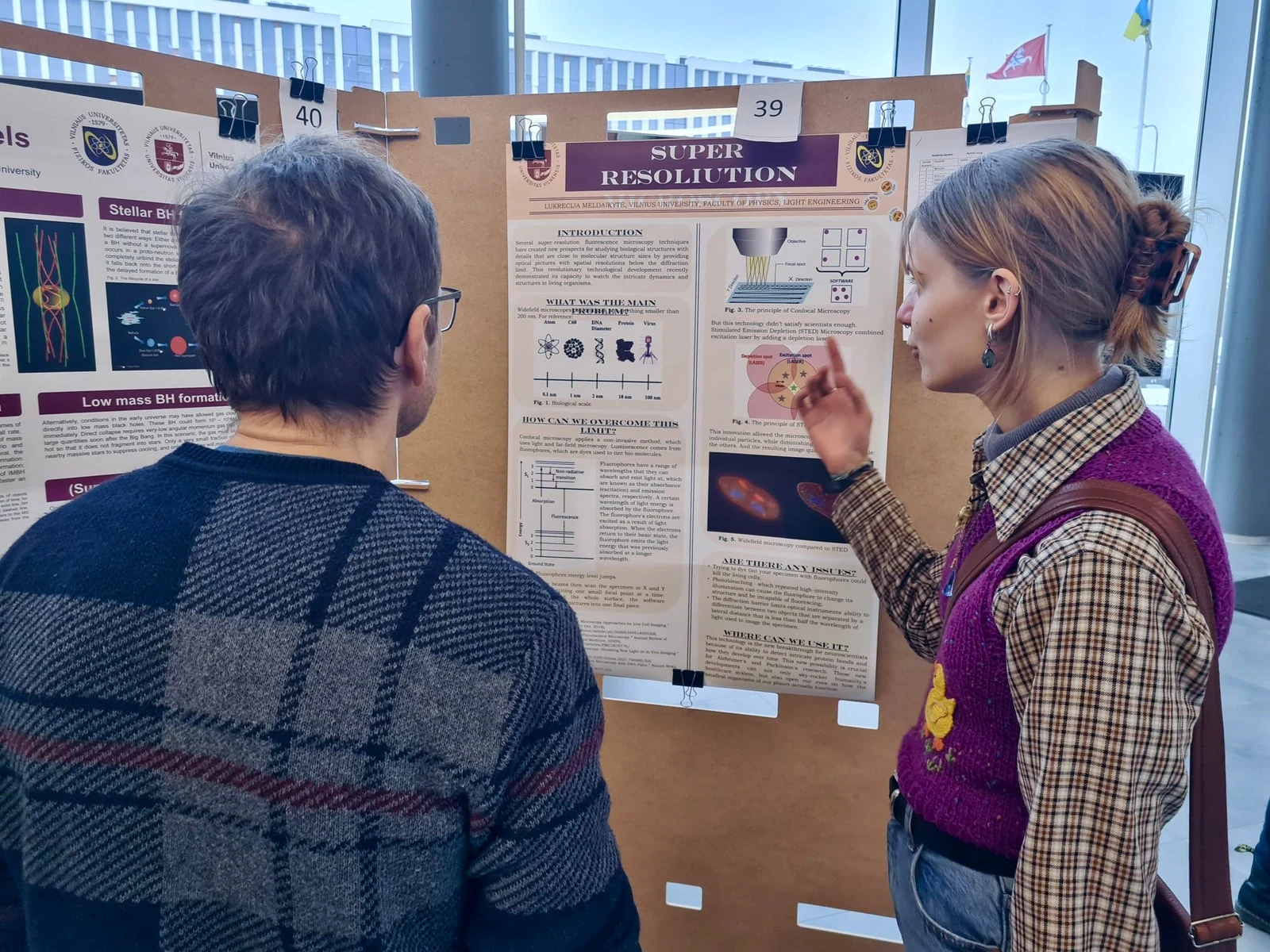
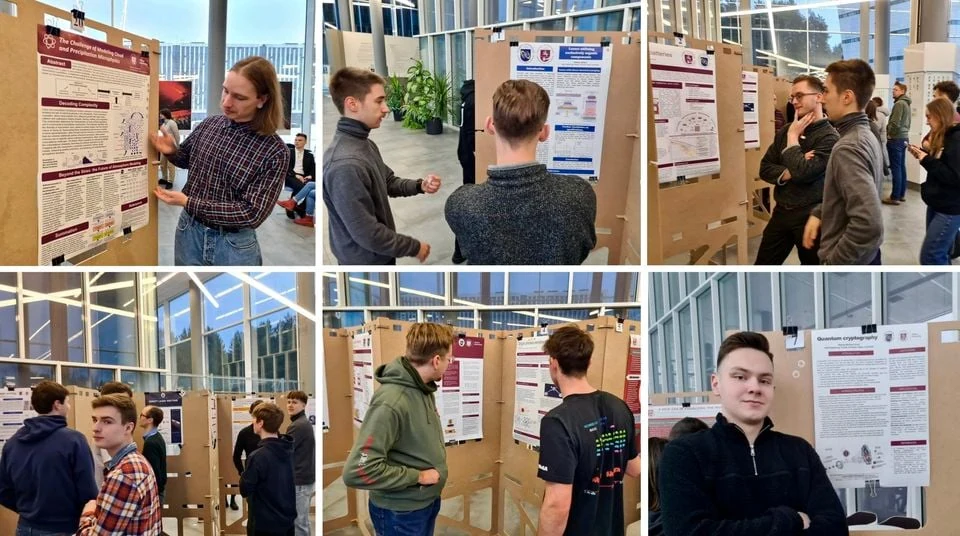
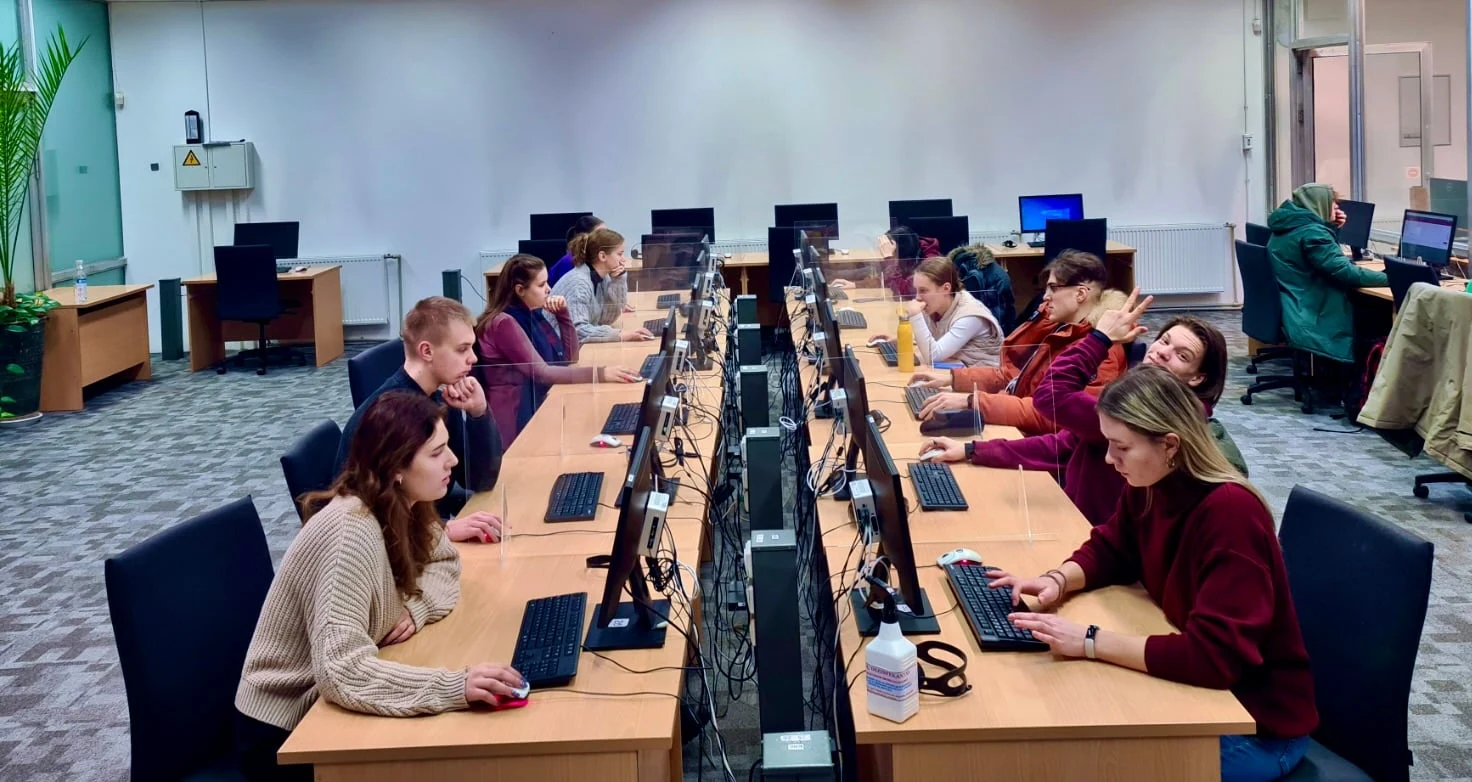
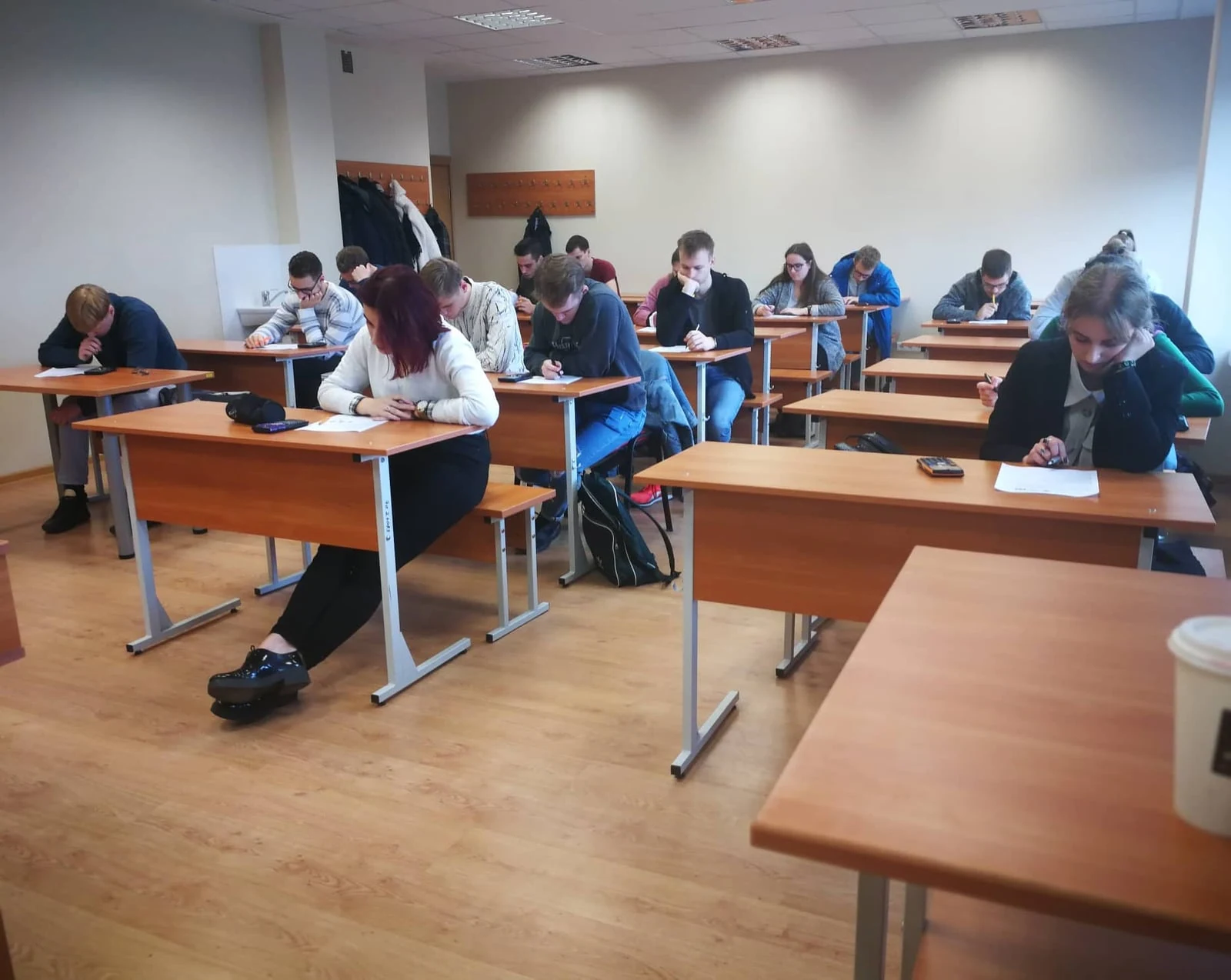
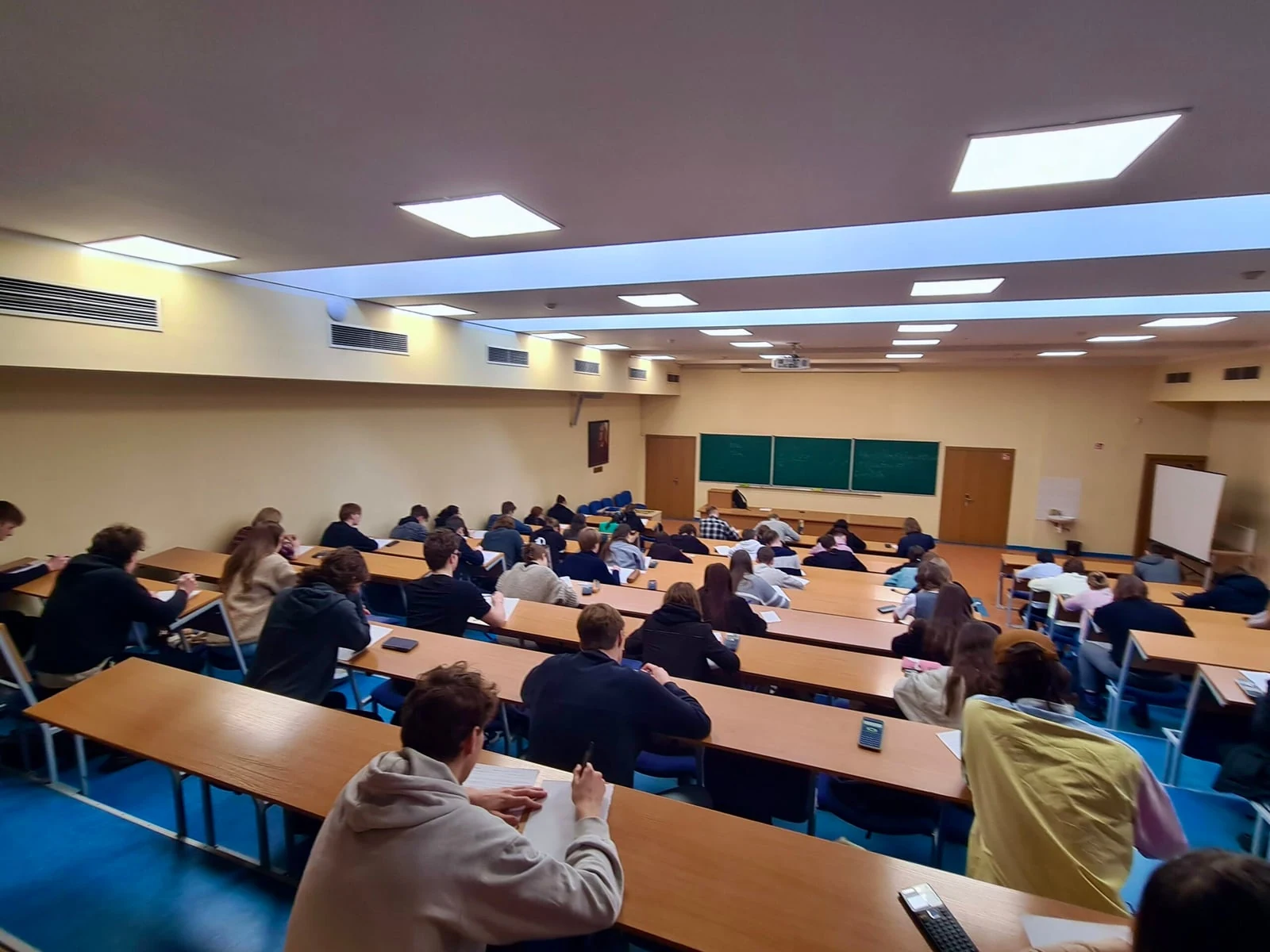
The Study Skills exam is turned into a mock scientific conference: we set up poster boards and I invite colleagues – researchers from VU and FTMC. Before the exam, students choose a fundamental physics or technology topic they find interesting and, based on research papers, prepare scientific posters and 5-minute talks.
During the exam, the researchers kindly “grill” the students and vote for the best with stickers. Students gain scientific writing and communication skills, and the exam becomes a real conference.
The biggest achievement of 2023: several of my first-year students were invited to join research in the relevant labs after the exam, and one of them won the best poster prize at a conference for PhD students and young researchers that same summer.
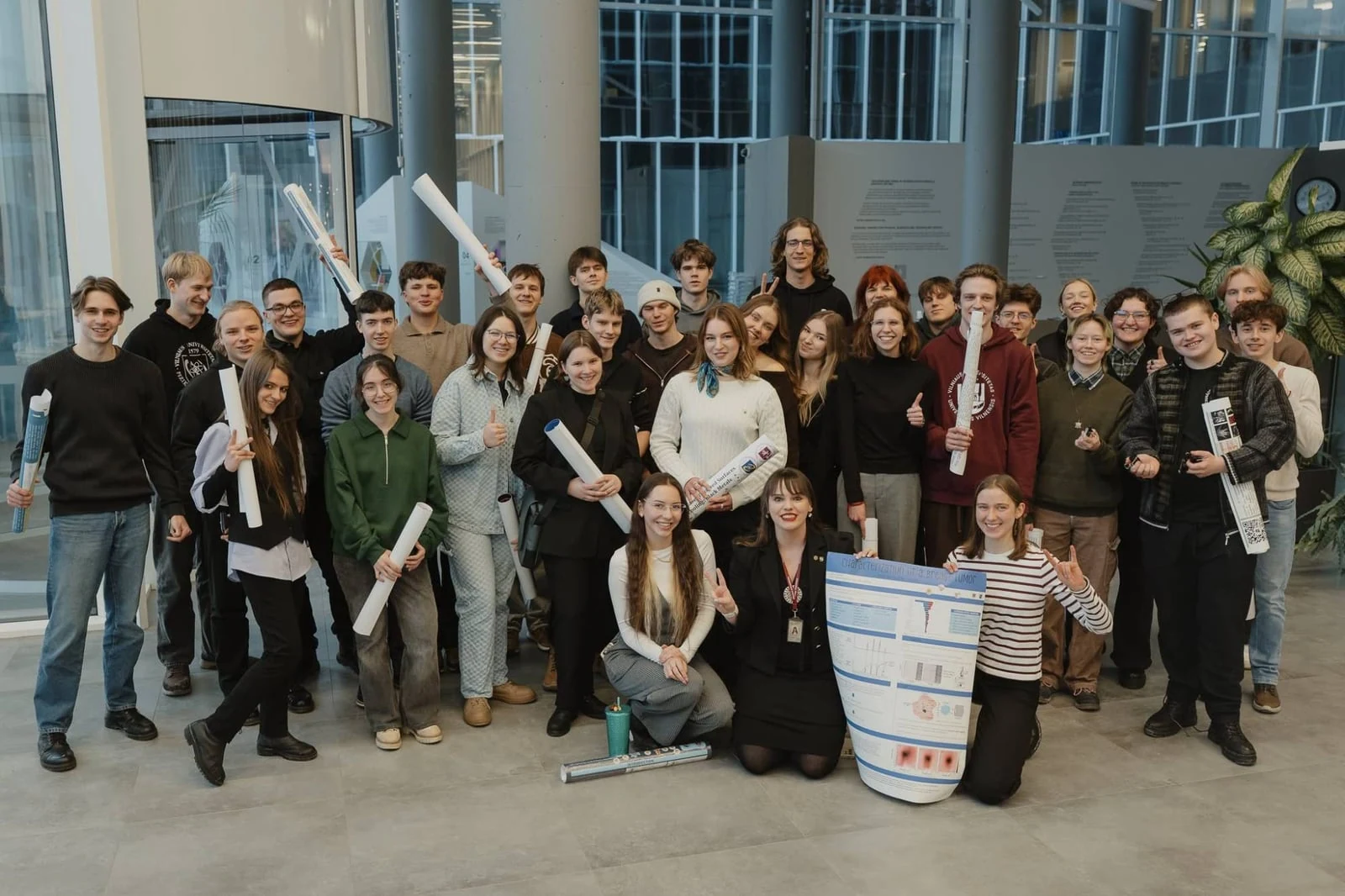
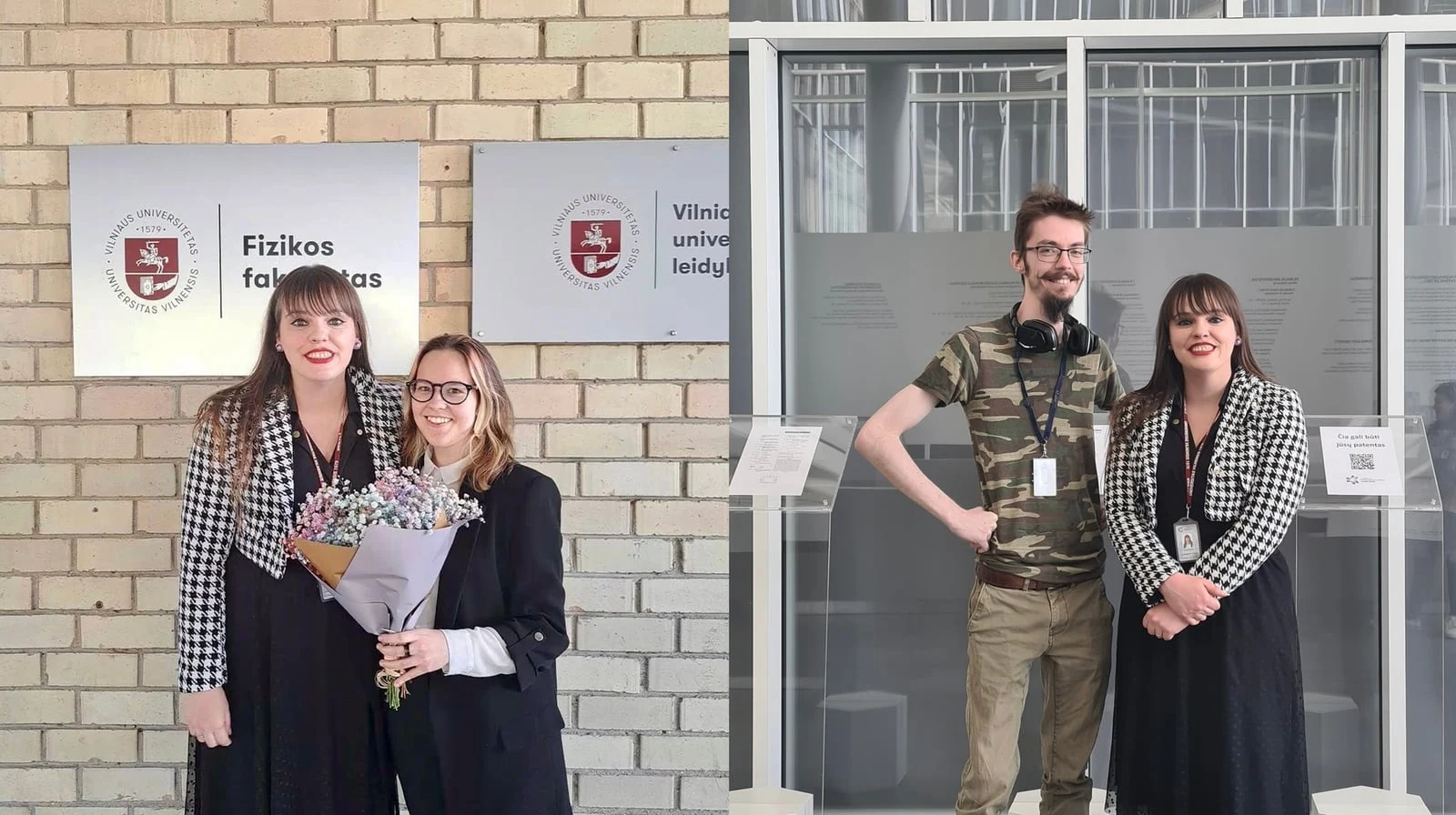
In 2026 as many as fifty students chose this programme – not only from Lithuania but also from the USA, Greece, Romania and other countries. In Study Skills they learned the essentials of every scientist’s career: planning their time, writing scientific abstracts based on research papers, analysing results, presenting their work orally and preparing poster presentations. In a vote by the committee and the audience, my student Andrėja Janulevičiūtė was chosen as the student with the best poster, having also answered all of the committee’s questions.
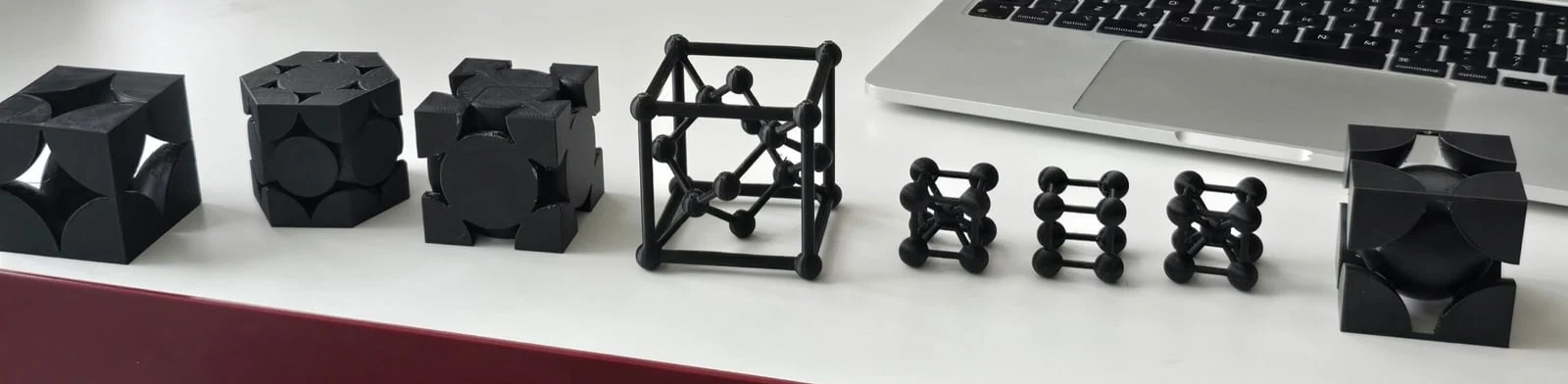
3D-printed crystal lattice models
In the autumn semester of 2024 I updated the course materials: we designed and 3D-printed crystal lattices that make it easier for students to work out the atomic packing factor. The models are used in the general physics (solid state physics) course for Physics and Light Engineering students. Made together with student Erikas Tarvydas.
The atomic packing factor (APF) describes what fraction of a crystal lattice’s volume is occupied by atoms – how efficiently atoms are “packed” in the structure. It is especially important for studying the structural properties of metals and other solids. Every year I noticed that students found it hard to visualise the lattice when calculating the packing factor – the models let them see and touch it.
Student Supervision and Education
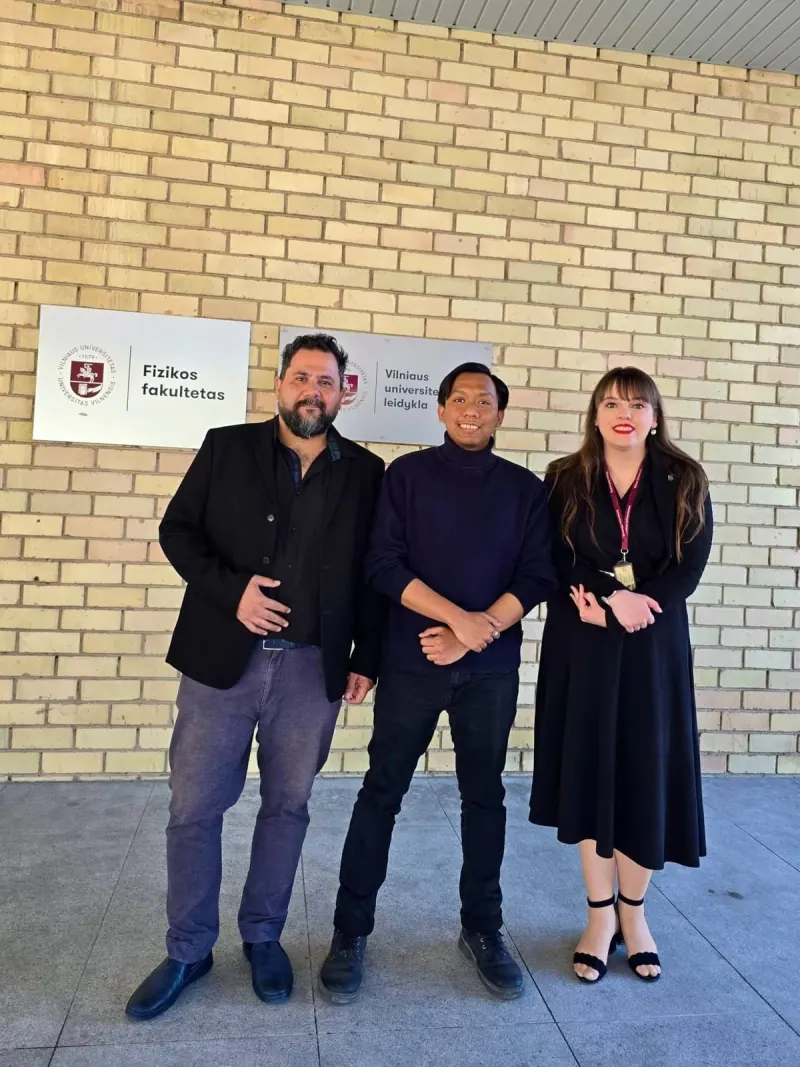
- 2025–2026Co-supervisor (with Dr. H. R. Hamedi) of Dharma Prasetya Permana’s master’s thesis “Propagation of optical vector vortices in coherently prepared media”, Europhotonics Erasmus Mundus Joint Master’s Programme (Magna Cum Laude).
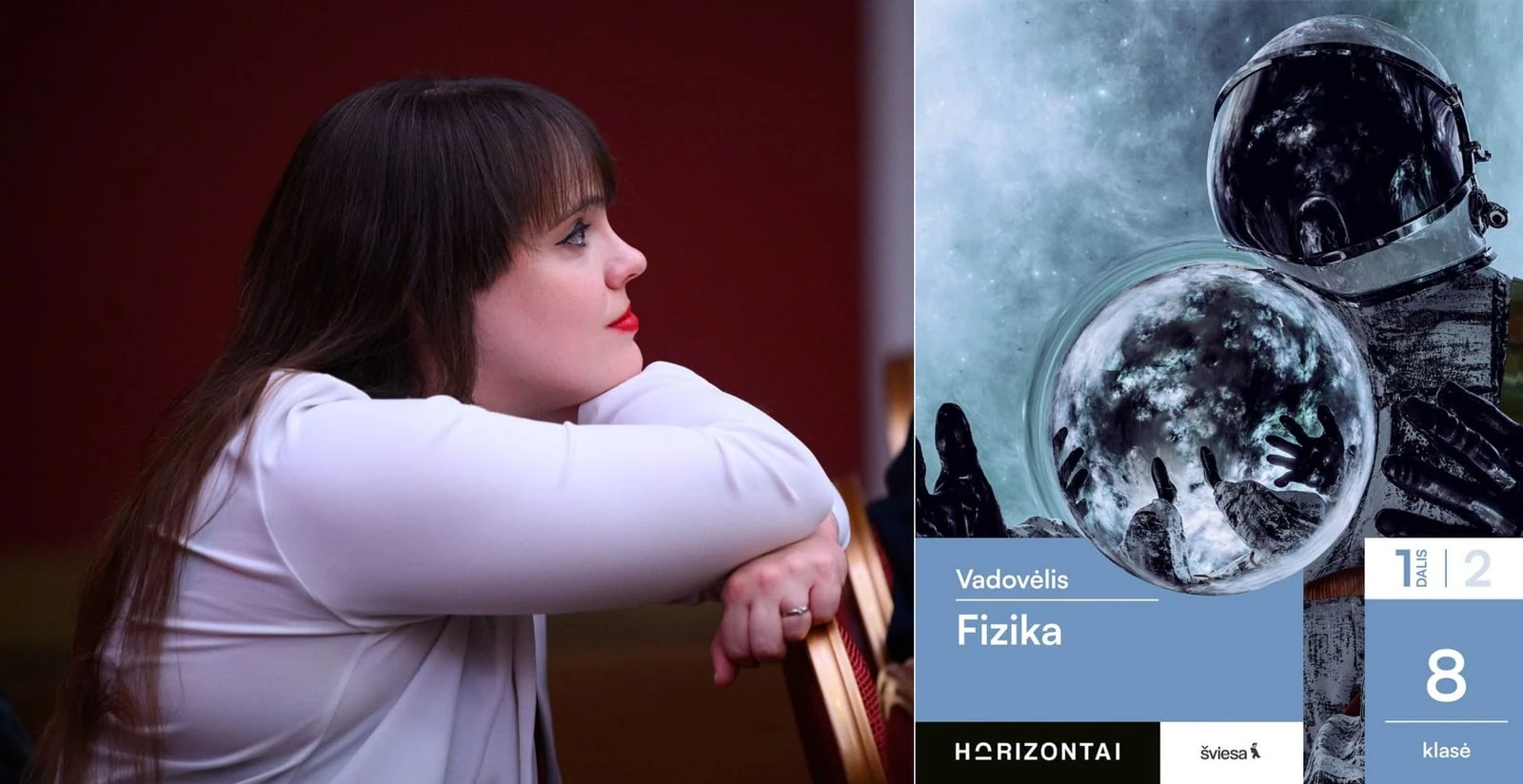
- 2025Reviewer of the updated 8th-grade physics textbooks prepared under the 2022 national basic education curriculum (authors Rigonda Skorulskienė, Larisa Gražienė and Daiva Vaitkienė). Topics include the atomic model, radioactivity, radiation measurements, examples from CERN and Lithuanian research, the evolution of the Universe, and electricity and magnetism.
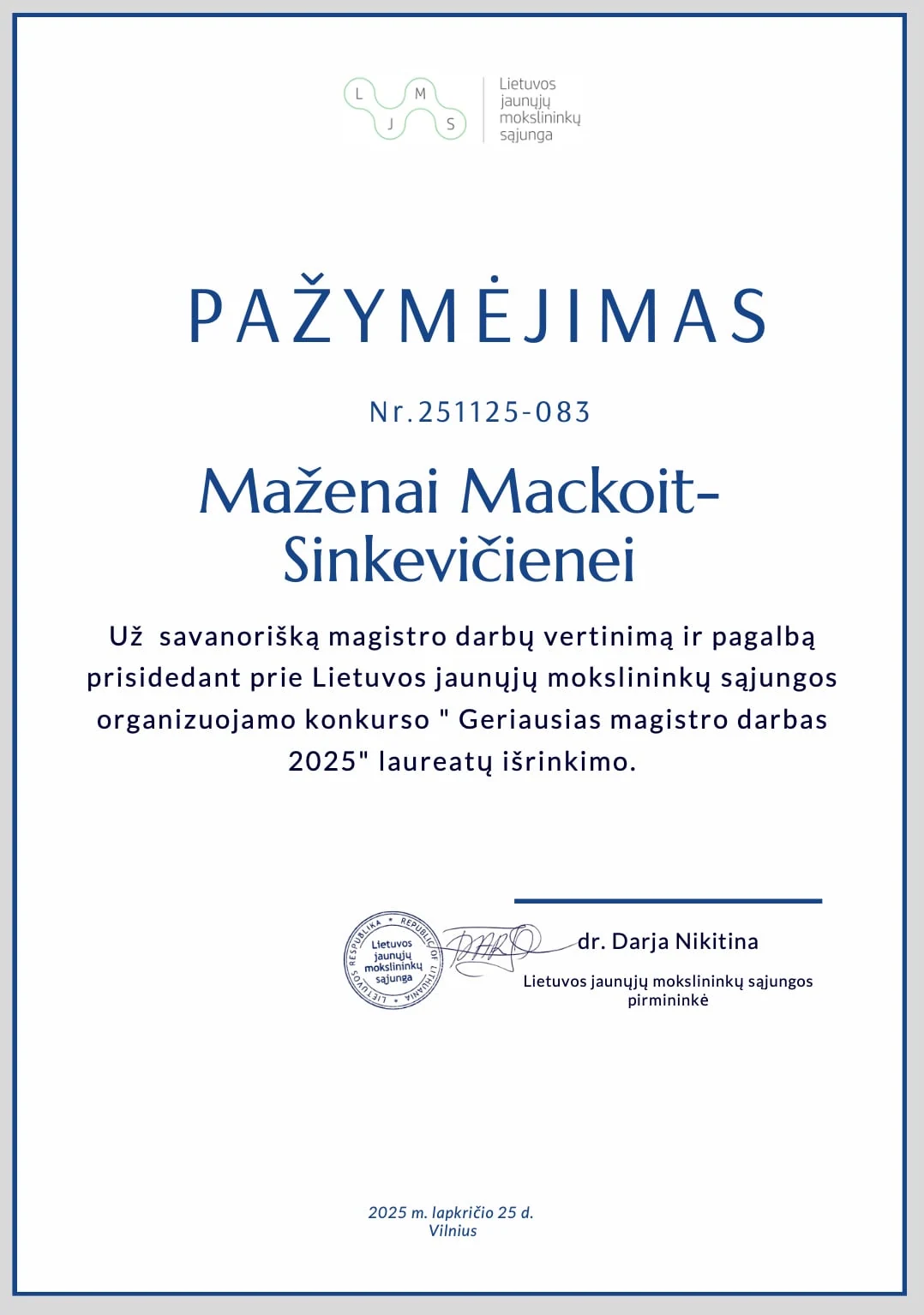
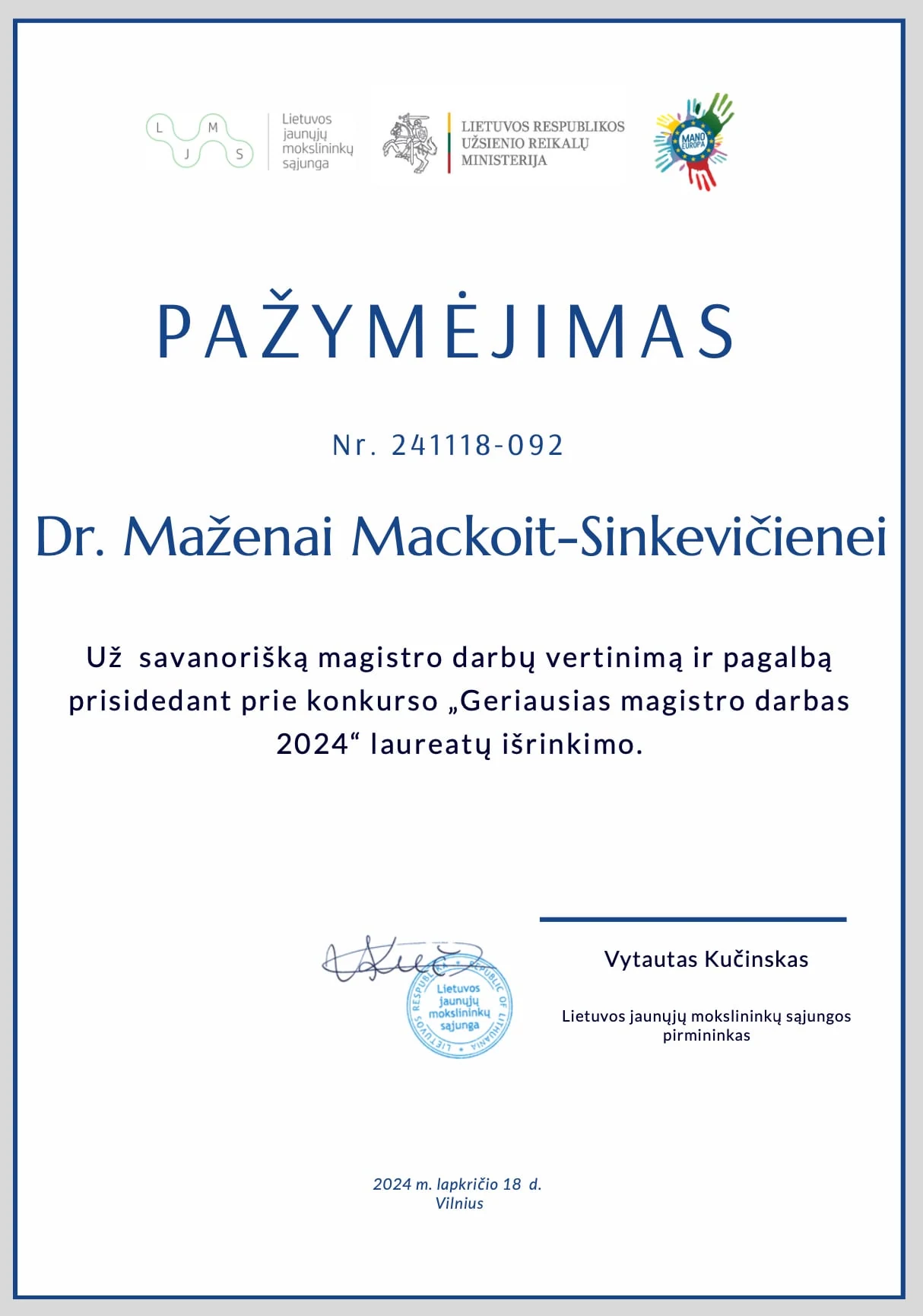
- 2024, 2025Member of the selection committee for the “Best Master’s Thesis 2024” and “Best Master’s Thesis 2025” competitions.
- 2023Advisor of Jorūnas Dobilas’s bachelor’s thesis, Faculty of Physics, Vilnius University (Magna Cum Laude).
- 2020–presentMember of the bachelor’s thesis defence committee (chair in 2022); reviewer of bachelor’s (2020–2023) and master’s (2025) theses, Faculty of Physics, Vilnius University.
- 2020–presentInternational Physics Olympiad: leader of the Lithuanian team (2021); member of the national team selection committee (2022–2025); author of problems for the municipal and national stages of the Lithuanian Physics Olympiad (2023–2025).
Professional Development
- 2026Training “Diversity of Student Needs: How to Create a More Inclusive Study Process?” (1 h 30 min, 18 September 2026). Lecturer Agnė Perminė.
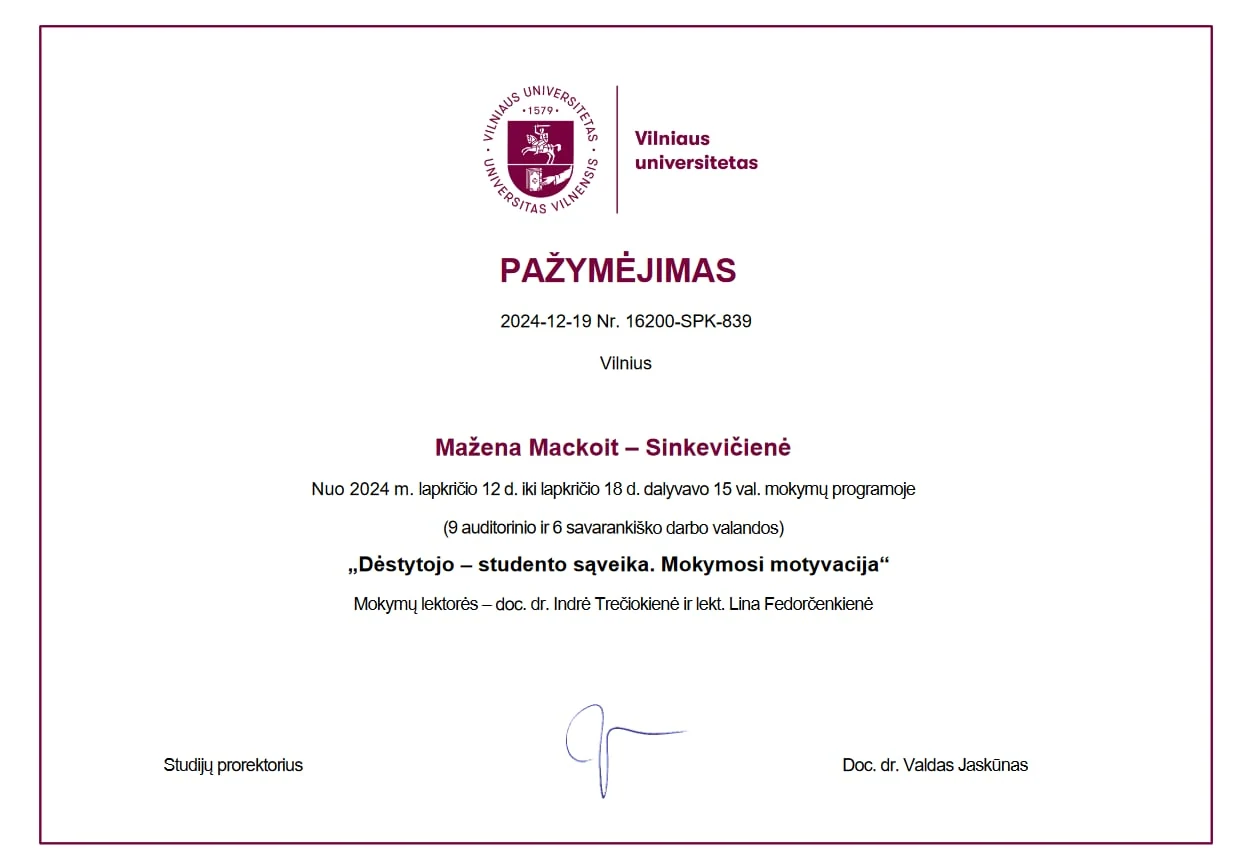
- 2024Vilnius University training programme “Teacher–Student Interaction. Learning Motivation” (20 h): concept maps, types of teacher–student interaction, motivation theory, barriers to motivation and methods to strengthen it.
- 2024Vilnius University training programme “Applying Artificial Intelligence to Personalised Student Learning” (2 h, 28 October 2024). Lecturers Dr. Saulius Preidys and Dr. Dovilė Balevičienė.
- 2024English language course for lecturers teaching in English, VU Centre for Educational Competences (8 h, spring semester). Teacher Aušra Dapšienė.
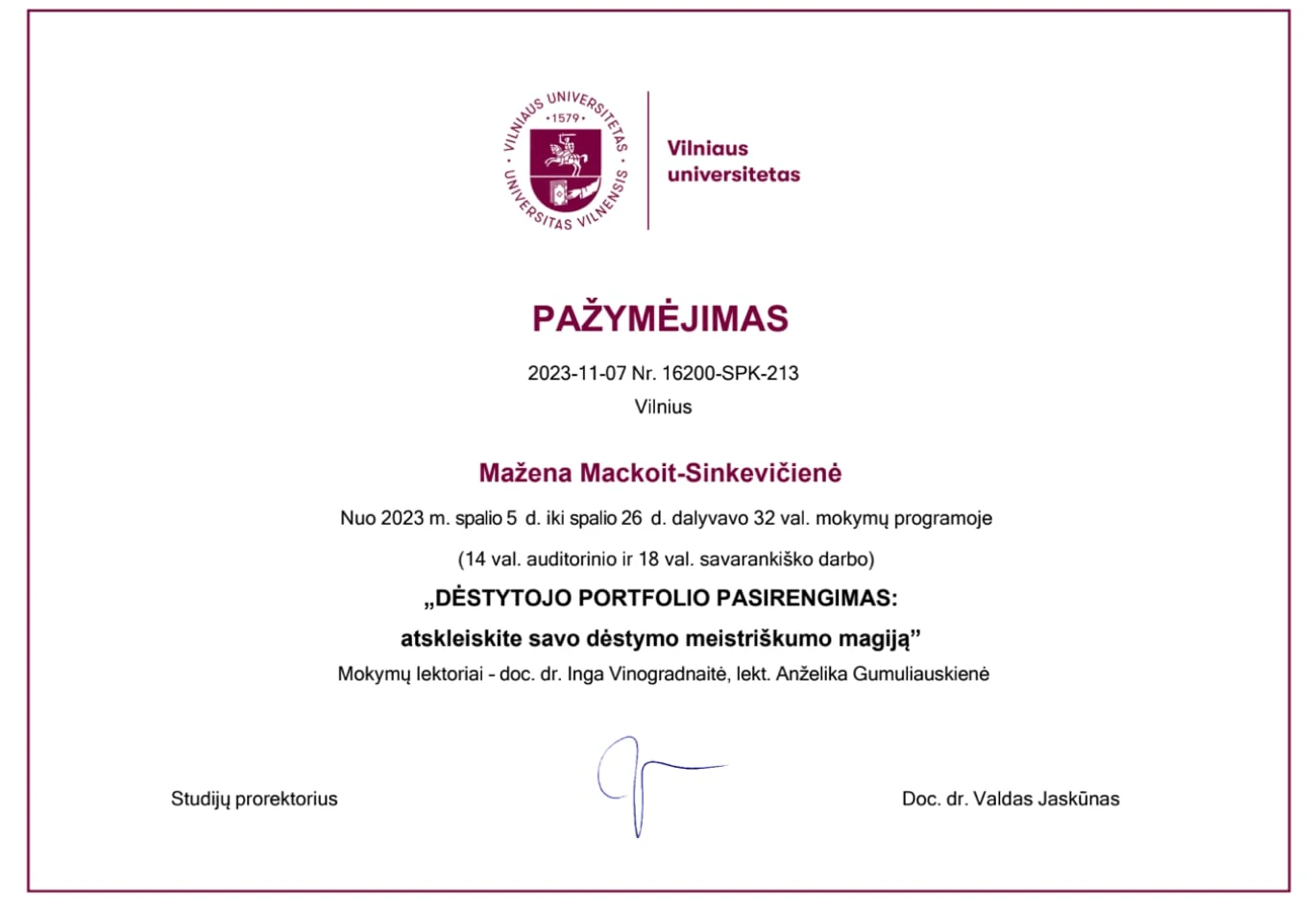
- 2023Vilnius University training programme “Preparing a Teaching Portfolio: Reveal the Magic of Your Teaching Excellence” (32 h, 7 November 2023).
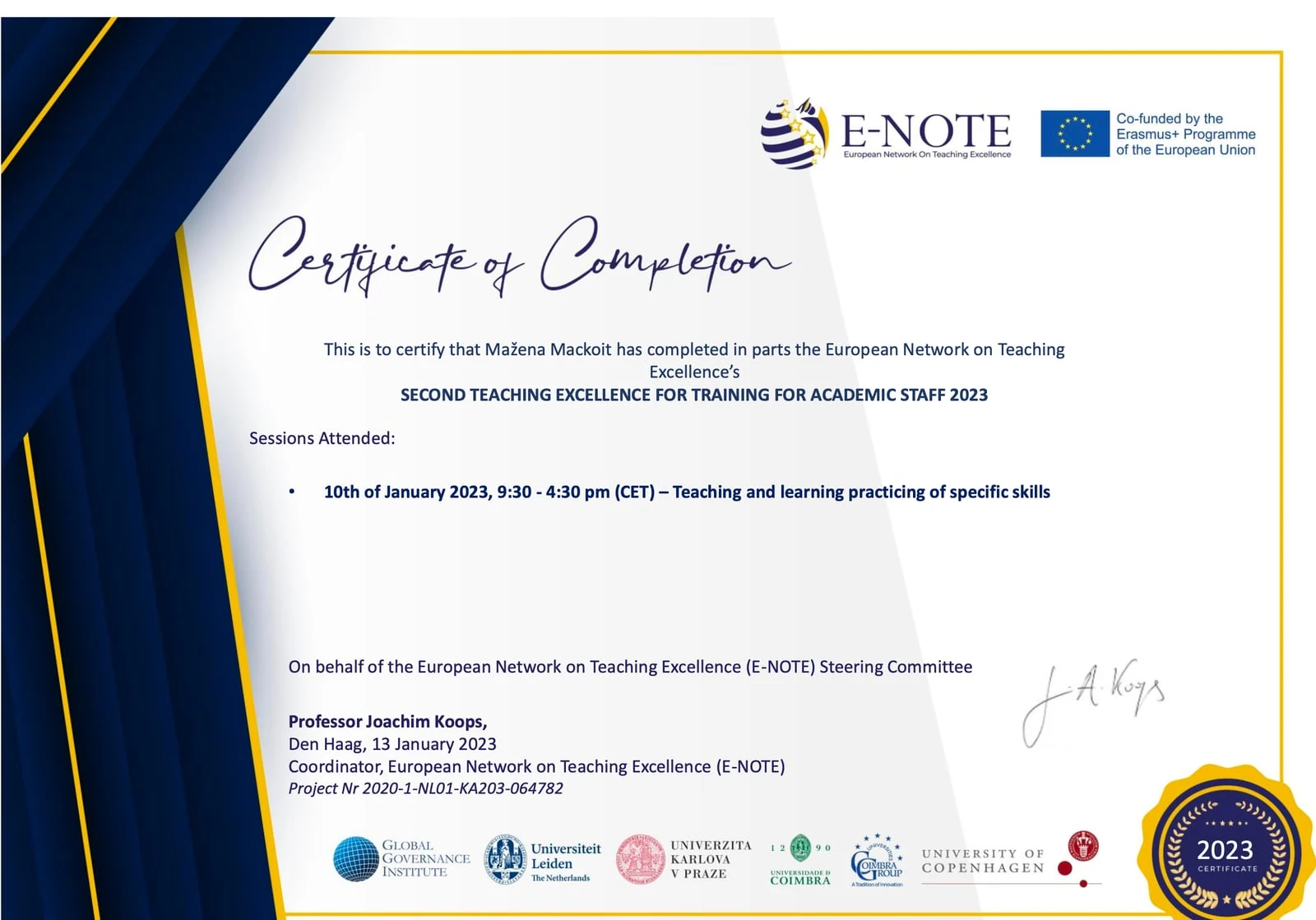
- 2023E-NOTE teaching excellence training (January 2023) – certificate of the European Network on Teaching Excellence training for academic staff.
Student Feedback
Feedback on my courses collected through the Vilnius University student survey system (translated from Lithuanian).
Spring 2025 – 3rd-year Physics programme students
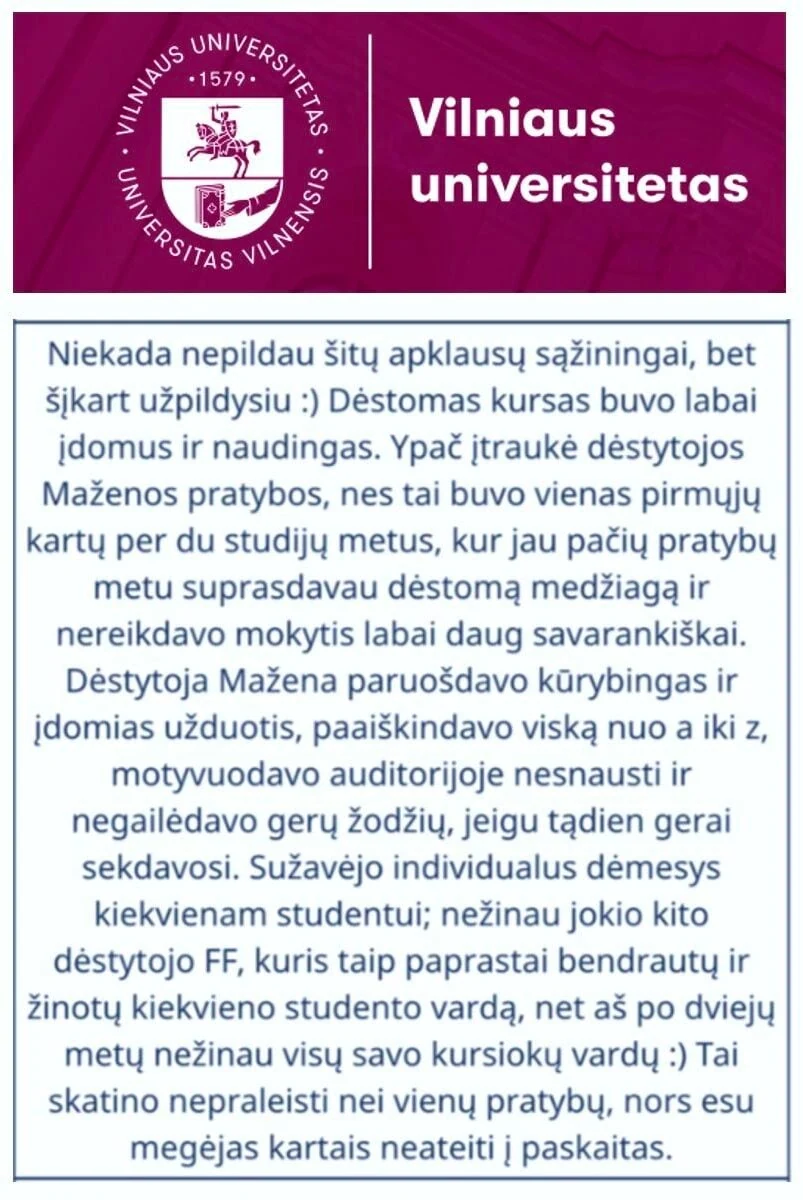
Spring 2023 – Applied Physics programme, Solid State Physics
I liked Dr. Mažena Mackoit-Sinkevičienė’s teaching in the solid state physics practicals. Her enormous wish to help and explain to everyone was valuable – she gladly took time to explain even the easier tasks.
Autumn 2022 – Light Engineering programme, Study Skills
The teacher’s effort to make the class atmosphere cosy.
Information about scientific papers and how they are evaluated.
Autumn 2022 – Light Engineering programme, Solid State Physics and Quantum Mechanics
I think that this course was well structured; I appreciate that we had an introductory part of quantum mechanics followed by its corresponding seminars which lead us comprehend the basics for solid state. I think that Prof. Mackoit-Sinkevičienė always made sure that we understood the assignments and topics that were explained in the lectures, and she really cared for us to get the greatest possible mark as the same time as we learned the most. Also, she is a really encouraging and positive person, so it was pretty motivated to study on my own and keep giving my best of me in this course. I wanted to highlight her kindness and helping towards every student, and will teach us in the best possible way.
I learned a lot. The classes were interesting and full of information.
Spring 2022 – Applied Physics programme, Solid State Physics
Dr. Mažena teaches really well and is very sincere – she always helps and gives extra information.
Spring 2022 – General Physics programme, Solid State Physics
Good workload, good assessments, friendly atmosphere.
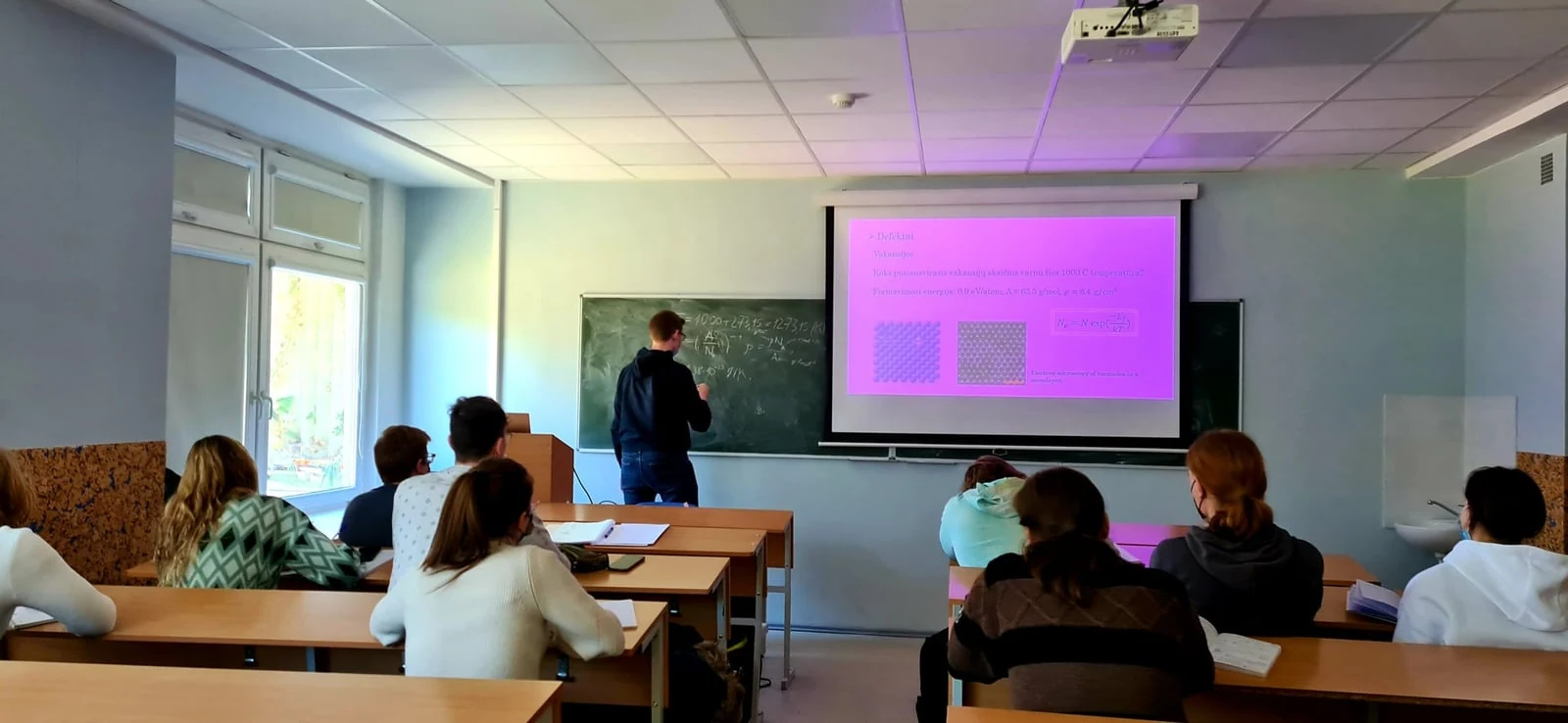
Autumn 2021 – Light Engineering programme, Solid State Physics and Quantum Mechanics
Communication and teamwork while solving seminar problems. The necessary information was presented excellently on the slides. Feedback was given after assessments.
The classes were very valuable; the teacher presented the material excellently. Feedback was always given, which encouraged us to try harder and become even more interested in the subject. The whole semester’s system was very clear, and the main sources were always provided on time. I rate everything – super.
Very informative and practical teaching in every class. Effort and sincere work are noticed and rewarded.
The teacher created a friendly atmosphere and always encouraged active participation with bonus points.
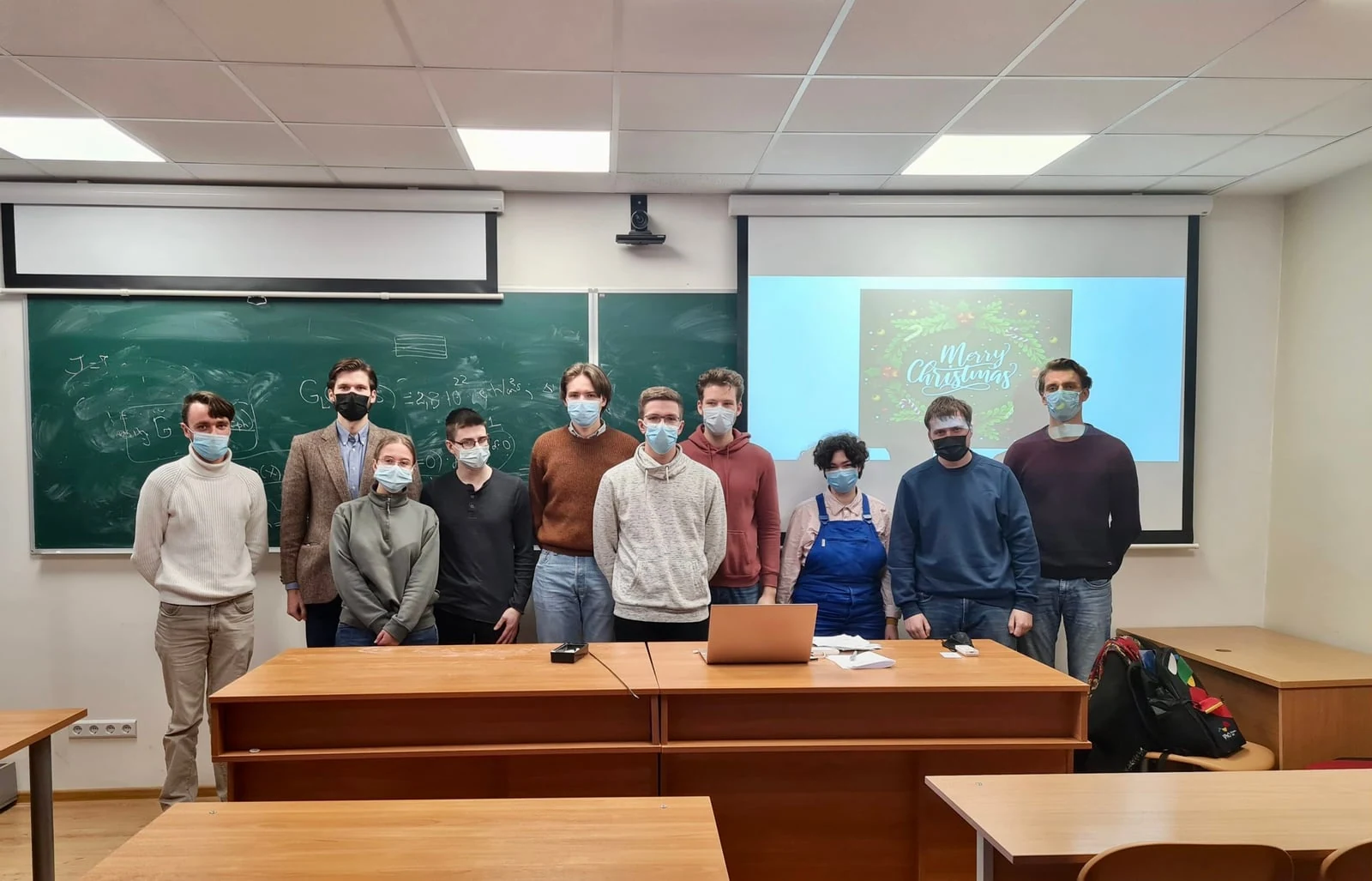
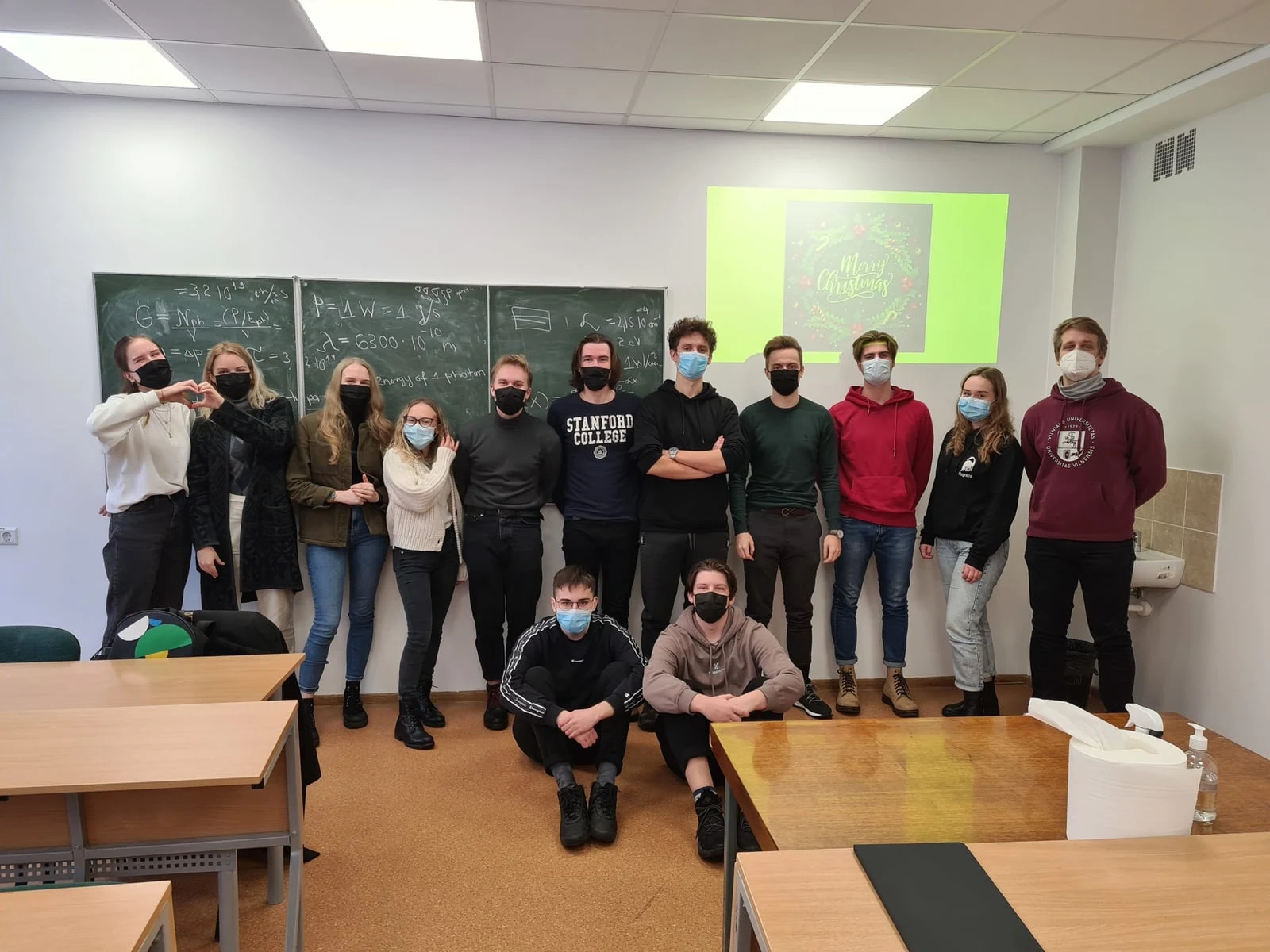
Spring 2021 – General Physics programme, Solid State Physics
Slides are made for every class. Commendable.
Communication with students.
Encouragement to study independently.
Spring 2021 – Applied Physics programme, Solid State Physics
A really cool and good teacher. She presented the practicals clearly and explained the problems.
That students were involved during the practicals.
There were interesting problems and puzzles.
The biggest plus is that the teacher randomly asked every student in the class herself. That made us join the discussion. She always tried to answer questions, even when they were not related to the subject.
Autumn 2020 – Light Engineering programme, Solid State Physics and Quantum Mechanics
Great attention to students’ achievements in the subject, plenty of attention to extra tasks and clearing up any confusion, and getting students interested with tasks that make you think and explore further. Assessment was fair and very well adapted to the circumstances :).
The teacher is very human.
The teacher explained all the problems very clearly.
Very interesting practicals; solving problems remotely was handled well. I liked the practicals, the teaching style and the warm communication.
Practical topics were linked to theory in a very interesting way.
Spring 2020 – General Physics programme, Solid State Physics
Recorded practicals that could be paused and replayed at any time. This really helped me absorb the material and remember it through repetition.
I think we managed everything well by the end of the semester. The teaching was good and clear. It was convenient to solve at our own pace.
Spring 2020 – Applied Physics programme, Solid State Physics
I liked the interesting presentation of the material, which was thorough and easy to review. The assessment format was well adapted to remote learning.
We worked through quite varied problems, which helped me understand many of the course topics. It was good that the solutions sometimes came with a reminder of the theory, so after switching to remote learning there was no problem understanding the problems and their solutions, even when watching the practicals out of order.
Autumn 2019 – Light Engineering programme, Solid State Physics and Quantum Mechanics
The teacher’s wish to teach everyone so that everyone digs in and understands.
A very good teacher – explains well, all necessary information is provided, always answers questions. We need more teachers like her.
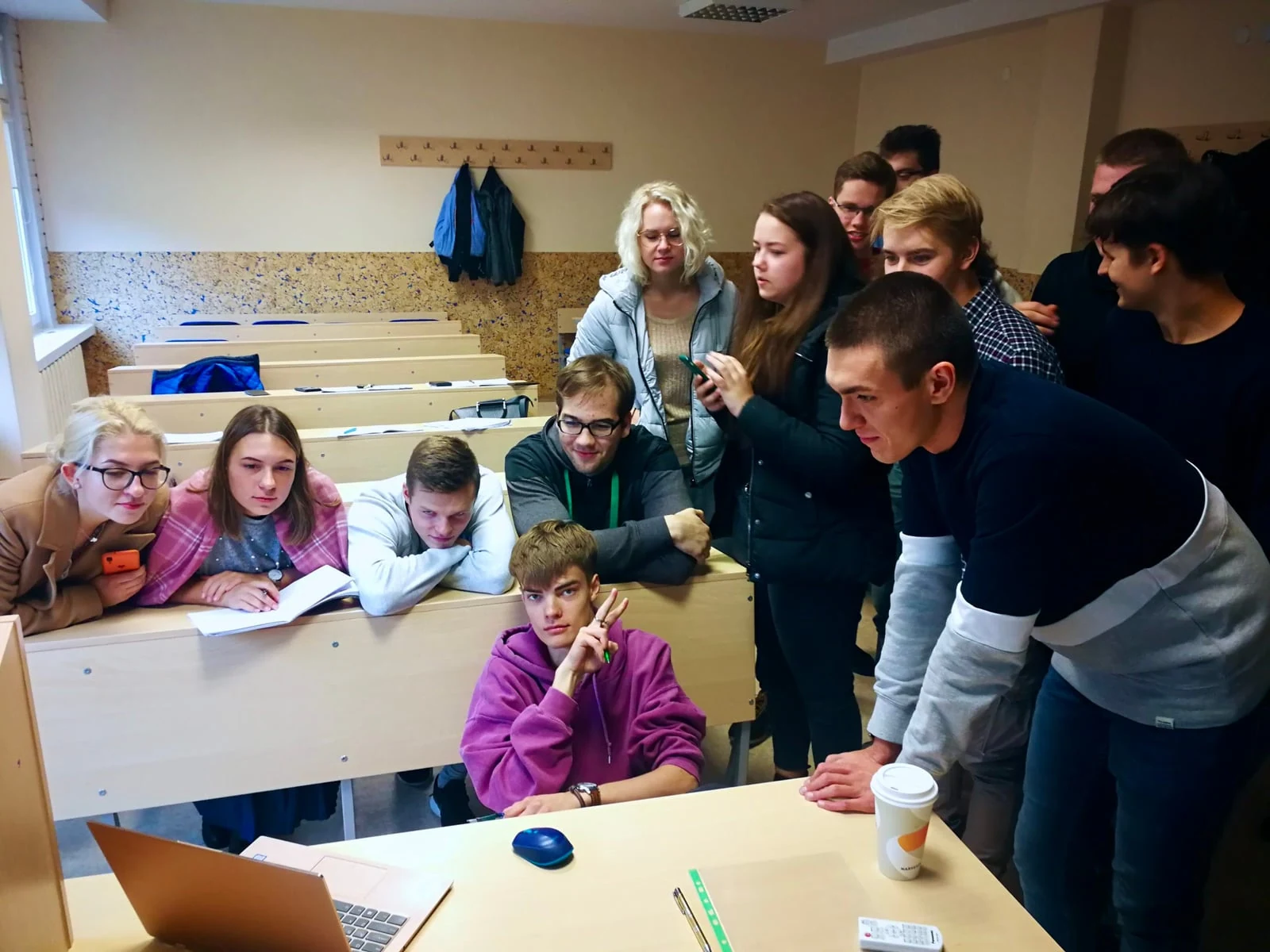
Autumn 2018 – Light Engineering programme, Solid State Physics and Quantum Mechanics
The teacher gave attention to everyone who needed it – explained, put us on the right track when solving problems, etc. These were among the more interesting seminars of the semester.
The teacher very kindly helps with all questions and picks interesting problems.
The teacher tried hard to get us interested in the subject, gave individual attention where possible, asked personally and motivated those who were struggling.
The teacher approaches everything with humour, but we still had to work hard for a good grade.
The teacher is genuinely interested in helping students (not only during the practicals); the variety of teaching methods (problems, quick quizzes with discussions, etc.) removes the monotony; discussing every test with explanations is a real plus, especially before the exam.
Spring 2018 – Applied Physics programme, Solid State Physics
The teacher’s communication with students, both during and after class, was really pleasant and correct. Many thanks for the incentive system and the homework – I think there could even be more. Extra tasks similar to those done in class, which we would later solve in the test, really help to revise the topic, dig deeper and practise again (as with determining Miller indices). The grading system is truly fair, and spreading the topics over several tests is a much better way to check knowledge (and, admittedly, not to forget to study) than one big test.
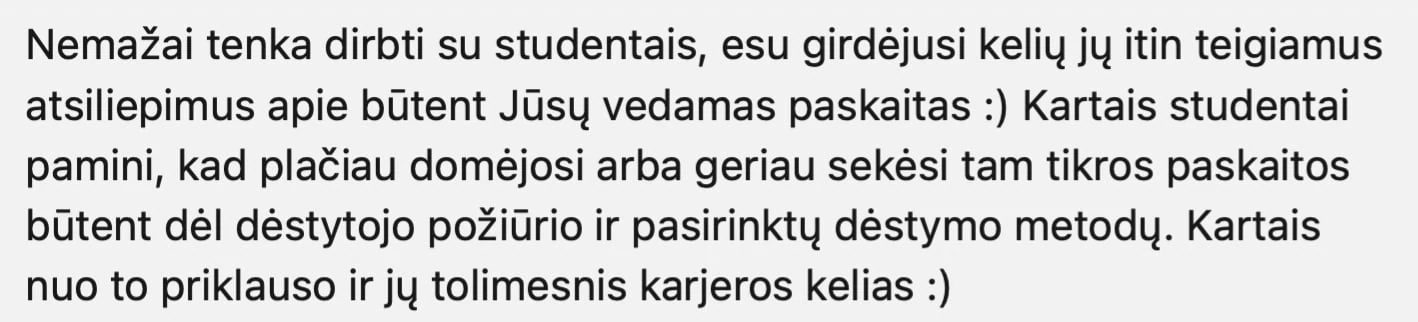
Messages from students and colleagues

Teaching Philosophy
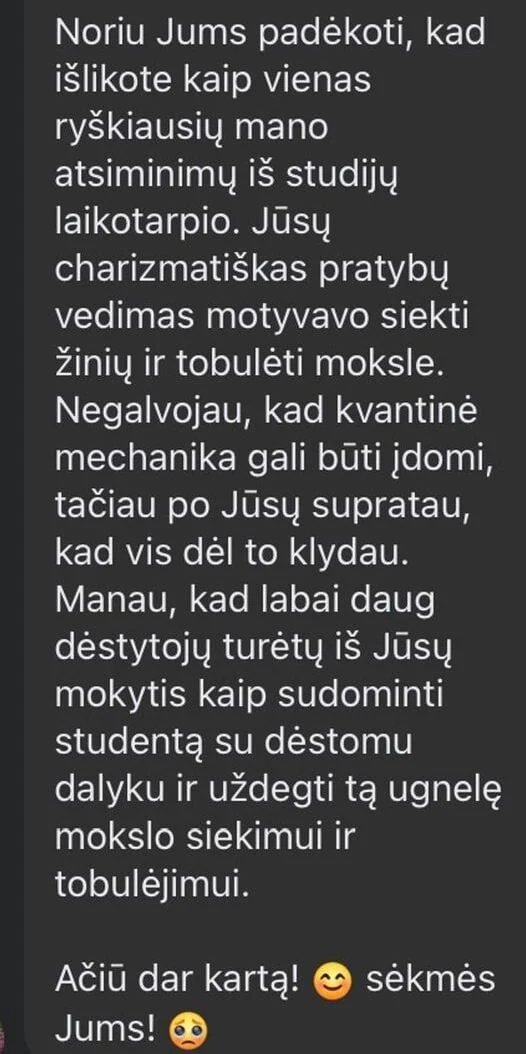
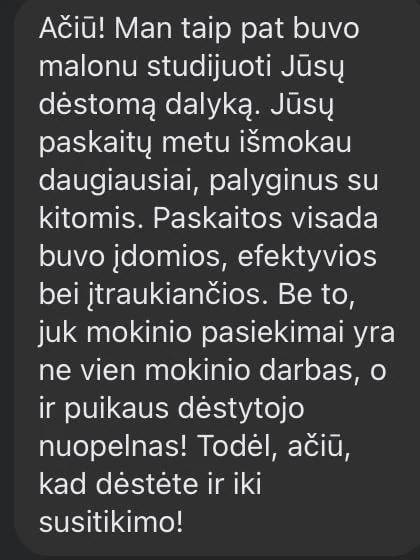
I believe learning is an active process. I approach teaching from a humanistic perspective, where it is important to create an environment that supports the student’s learning. There are no wrong answers, boring topics or unsolvable problems – and student feedback confirms how well this works. I still keep in touch with some former students: I write recommendations for their research internships, they tell me about their professional and academic achievements, invite me to their thesis defences and come to my science outreach events.
Another approach I actively use is cognitive constructivism. In class, students are not passive recipients of knowledge but future colleagues and scientists. Effective learning happens when students are actively involved in building knowledge through group discussions, projects, tests, homework and analysis of research papers. I assess students with a cumulative scoring system – for solved problems and a written exam. These tasks cover several scientific competences and directly serve the goals of later courses: critical thinking, analytical and computational foundations, and creative problem solving. Knowledge gained this way lasts longer – this is problem-based learning.
My strength as a teacher is a strong wish to help every student dig in and understand the foundations of solid state physics. I try to explain problem-solving approaches and the theory thoroughly and simply – theory needed not only for problems but also in the lab. I always involve every student in the solving process. I believe teaching must be student-centred: we look for methods and ways for each student to learn.
My students see me as someone who approaches everything with humour but still makes them work hard for a good grade – which confirms that I set a fairly high bar for physicists. This demanding approach was inspired by my former teachers and current colleagues: Prof. Dr. Ramūnas Aleksiejūnas, Dr. Vytautas Karpus, Assoc. Prof. Dr. Renata Butkutė, Prof. Dr. Artūras Žukauskas and Prof. Dr. Gintaras Valušis. Over my years of teaching (since the spring semester of 2018) I have refined my teaching style and methods. In their feedback, students highlight the innovative teaching style, informativeness, warm communication and encouragement for active participation. My teaching philosophy may change over time, and that is good – it will mean I am growing as a teacher and learning new things.
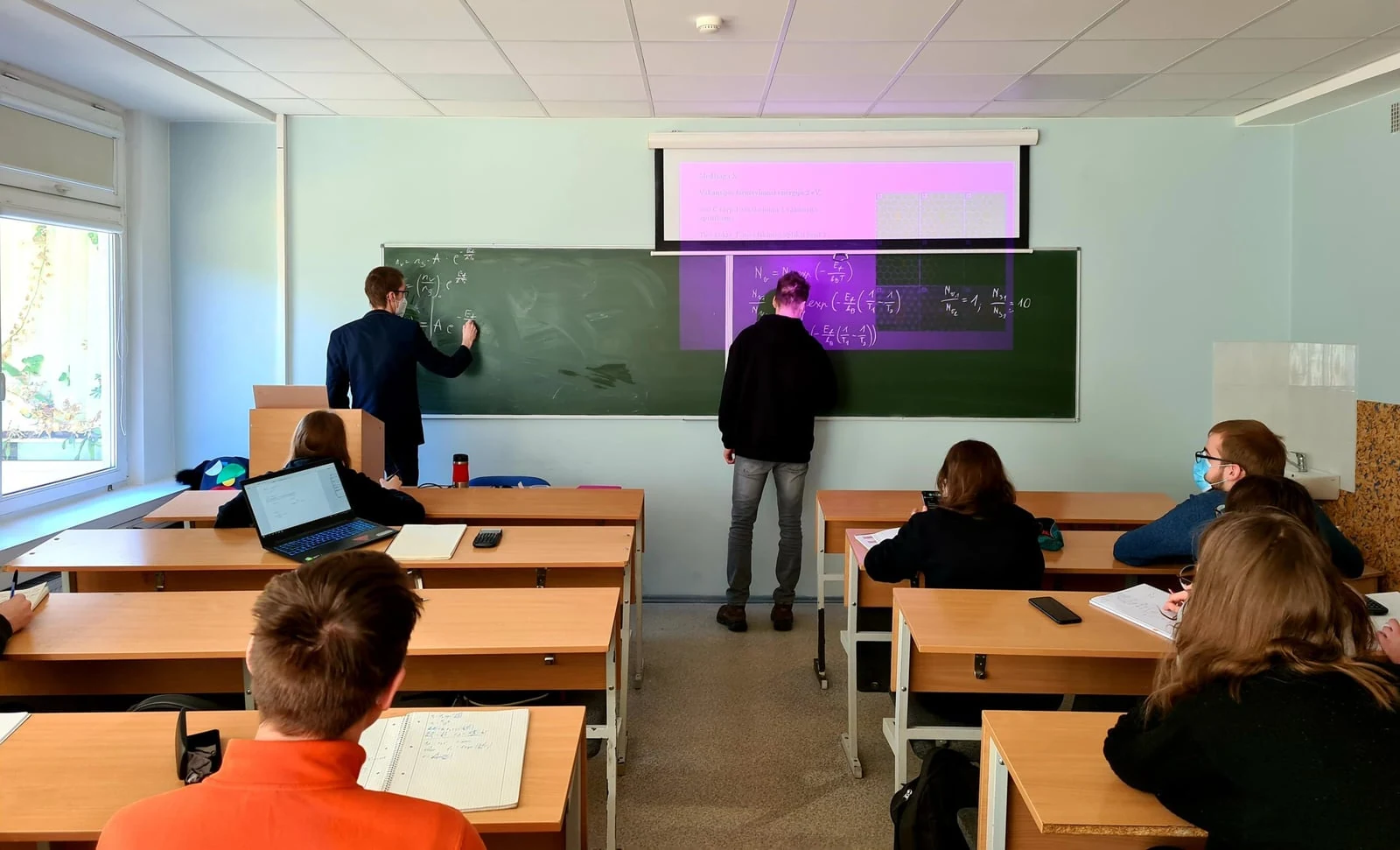
One goal I pay special attention to is creating an active teaching and learning environment. In such an environment I can encourage students’ engagement, motivation, self-confidence, creativity and independence. I use not only chalk and blackboard but also digital simulations as a visual tool; students bring their laptops, books and tablets and prepare joint presentations in groups – learning to work both independently and as a team. Sometimes we discuss solutions as a game, with humour, and pick the best and most interesting solutions or scientific abstracts.
I expect students to ask questions, not to be afraid to interrupt me during class, and to come to me with any difficulties related to the subject. As a teacher I set the teaching and learning goals, and my main duty is to achieve them. Every year after the semester I update and extend the course materials and rethink and restructure difficult topics that raised more questions. For students, in turn, it is important to complete their assignments responsibly and well, to plan their time, to communicate actively with the teacher, share their expectations and give feedback.
Gallery